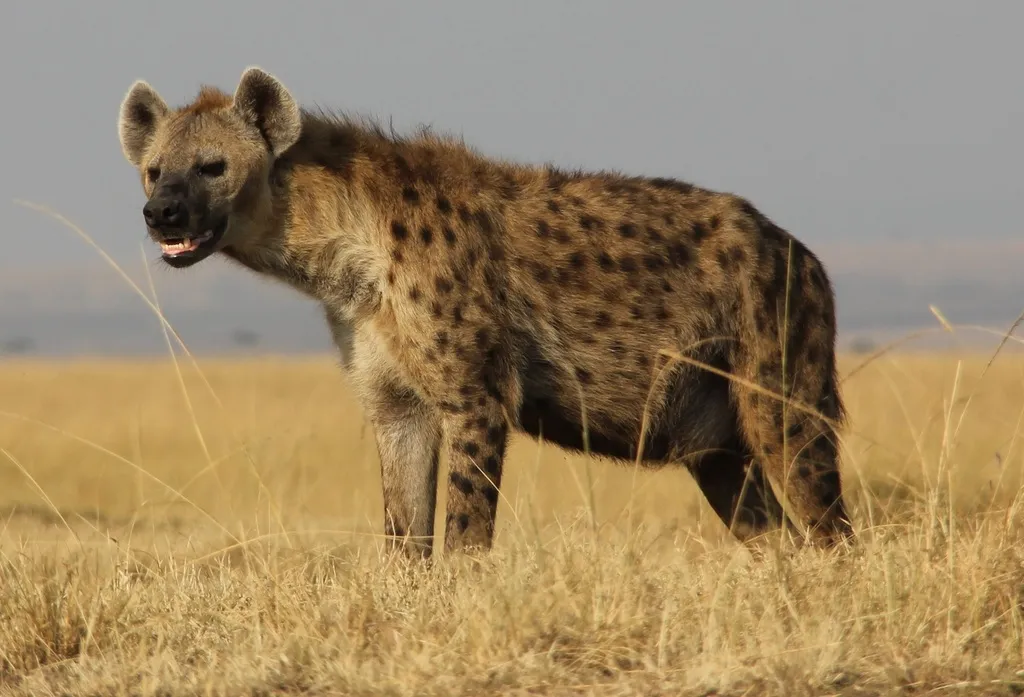
Spotted Hyena
Crocuta crocuta
Whoops after dark; kills at first light.
Forget the folklore. The spotted hyena is one of Africa's most capable predators and its most complicated society: clans of up to 80, ruled entirely by females, who are larger and more aggressive than the males and inherit rank like aristocracy. Perhaps 30,000 to 45,000 remain across Africa. They kill most of what they eat, running down wildebeest and gemsbok in relay over kilometers, and then process the entire animal with bone-cracking jaws that measure among the strongest of any land mammal. The whoop, that rising oo-OOP carrying through the dark, is a clan keeping track of itself. Watch one lope past your vehicle at dusk and the cringing scavenger of cartoons dissolves for good.
Matriarchal clans with dens as social hubs. Greetings, rank ceremonies and the famous giggle, which signals excitement or submission rather than humor.
Primarily hunted prey up to wildebeest size, plus carrion cleaned to the last splinter; bone, hide and hooves are all digested.
Den sites at dawn are gold: cubs are curious and the light is soft. Meter for the eyes; that flat dark face swallows exposure.
Keep well back from dens. Disturbed clans move cubs to poorer sites, and small cubs pay for it.
Generalised encounter areas, not exact locations. Each shape is a grid cell coloured by how likely the species is there.
- Very likelyNamibia10 km zone · medium confidence · 26 records · updated 1 day ago
- Very likelyNamibia10 km zone · medium confidence · 7 records · updated 1 day ago
- Very likelyNamibia10 km zone · medium confidence · 5 records · updated 1 day ago
- Very likelyNamibia10 km zone · medium confidence · 14 records · updated 1 day ago
- LikelyNamibia10 km zone · medium confidence · 9 records · updated 1 day ago
- LikelyNamibia10 km zone · medium confidence · 7 records · updated 1 day ago
- PossibleNamibia10 km zone · medium confidence · 7 records · updated 1 day ago
- PossibleNamibia10 km zone · medium confidence · 5 records · updated 1 day ago
- UncommonNamibia10 km zone · medium confidence · 4 records · updated 1 day ago
- UncommonNamibia10 km zone · medium confidence · 4 records · updated 1 day ago
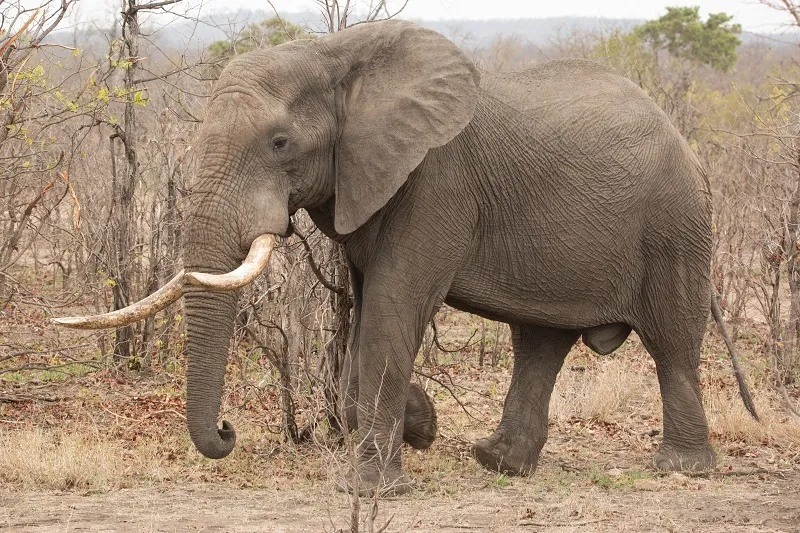
African Elephant
Loxodonta africana
Desert-adapted herds that survive on remembered water in some of the driest country in Africa.
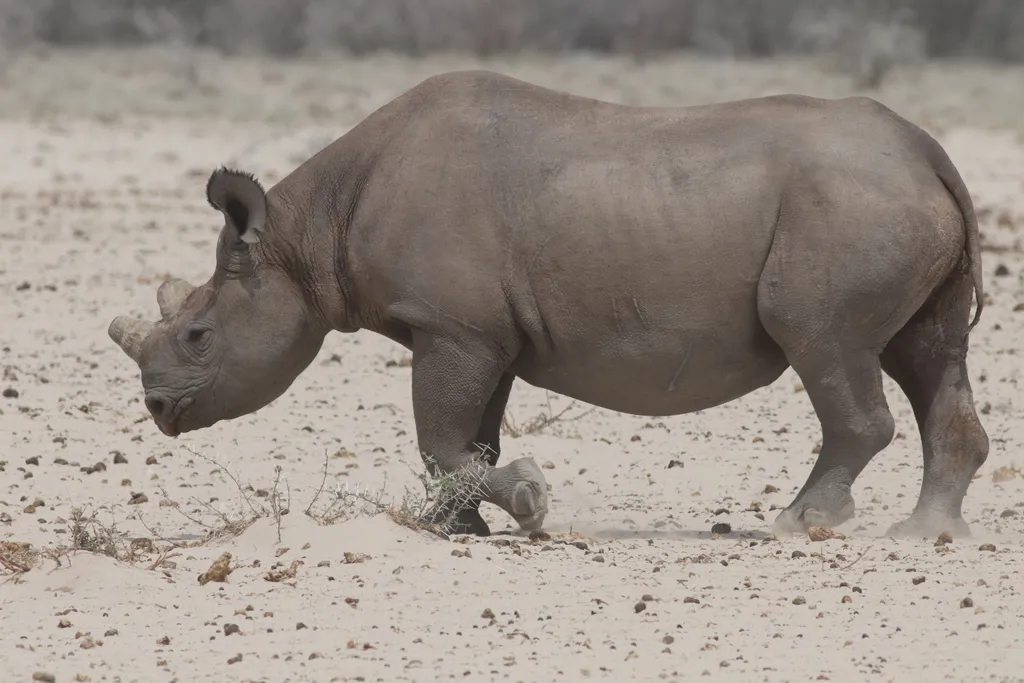
Black Rhinoceros
Diceros bicornis
Precise locations are withheld. Namibia holds a globally significant population.
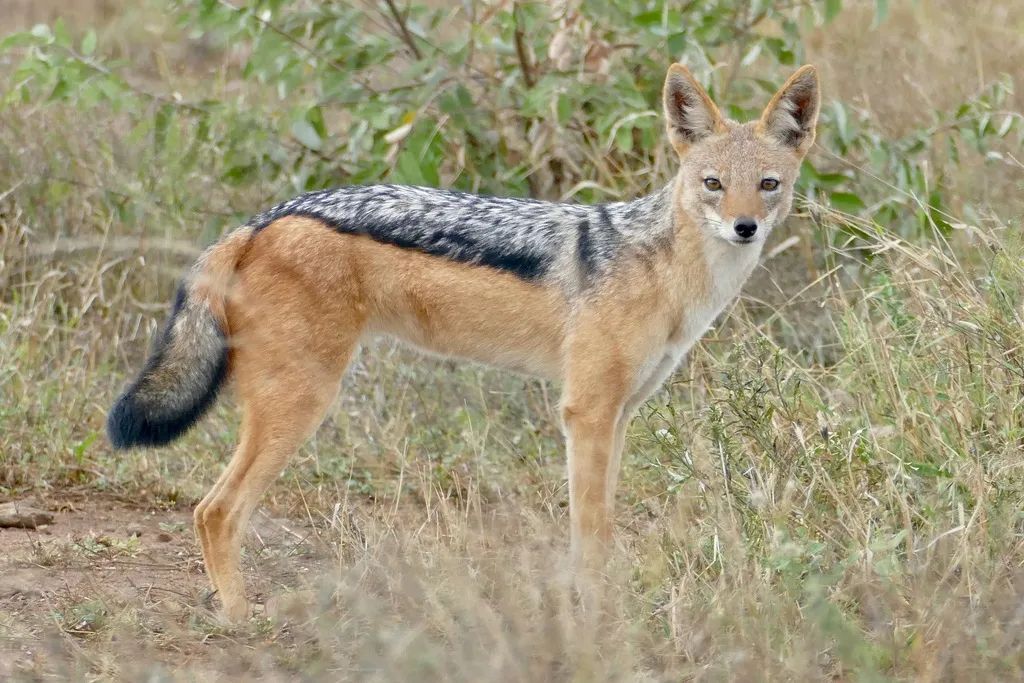
Black-backed Jackal
Lupulella mesomelas
Persistent, clever, and heard yipping across the plains at dusk.
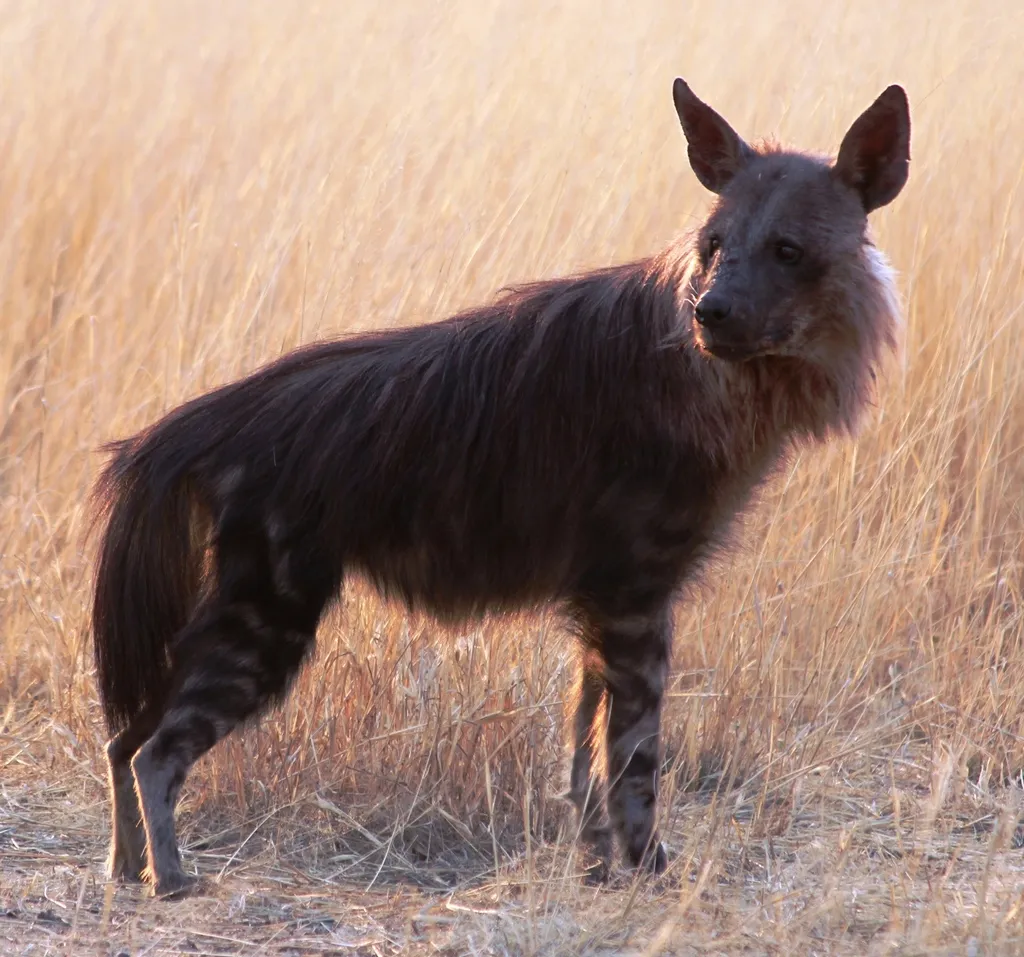
Brown Hyena
Parahyaena brunnea
Shaggy ghost of the Skeleton Coast, scavenging along the tide line.