25 species. Two countries. One atlas.
Common and scientific names, conservation status, and the countries each species is recorded in. Live from the WorldWildMap reference database.
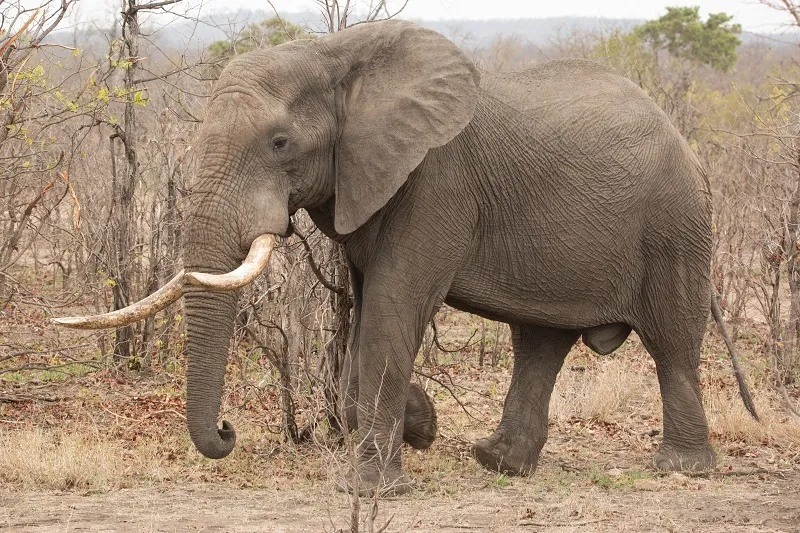
African Elephant
Loxodonta africana
Desert-adapted herds that survive on remembered water in some of the driest country in Africa.
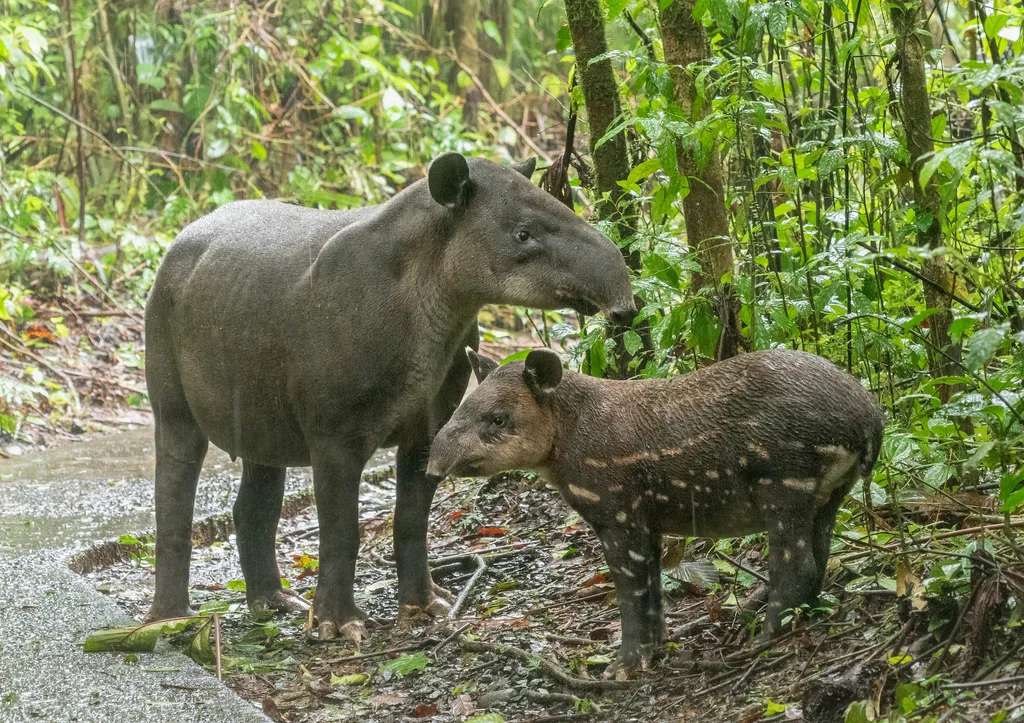
Baird's Tapir
Tapirus bairdii
Ancient forest engineer; patience is the only technique.
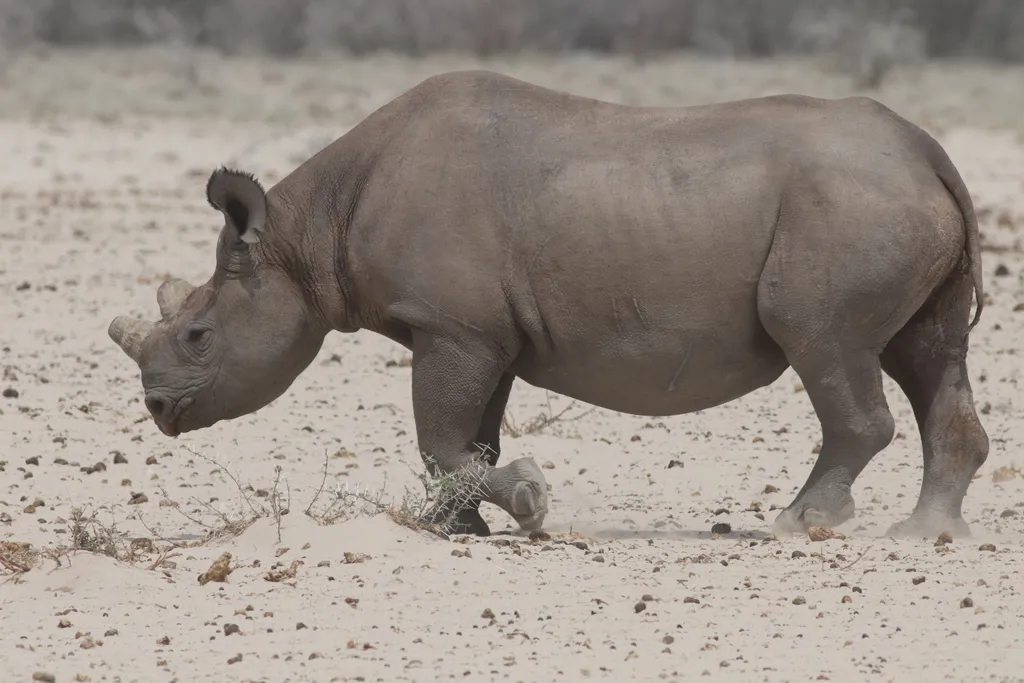
Black Rhinoceros
Diceros bicornis
Precise locations are withheld. Namibia holds a globally significant population.
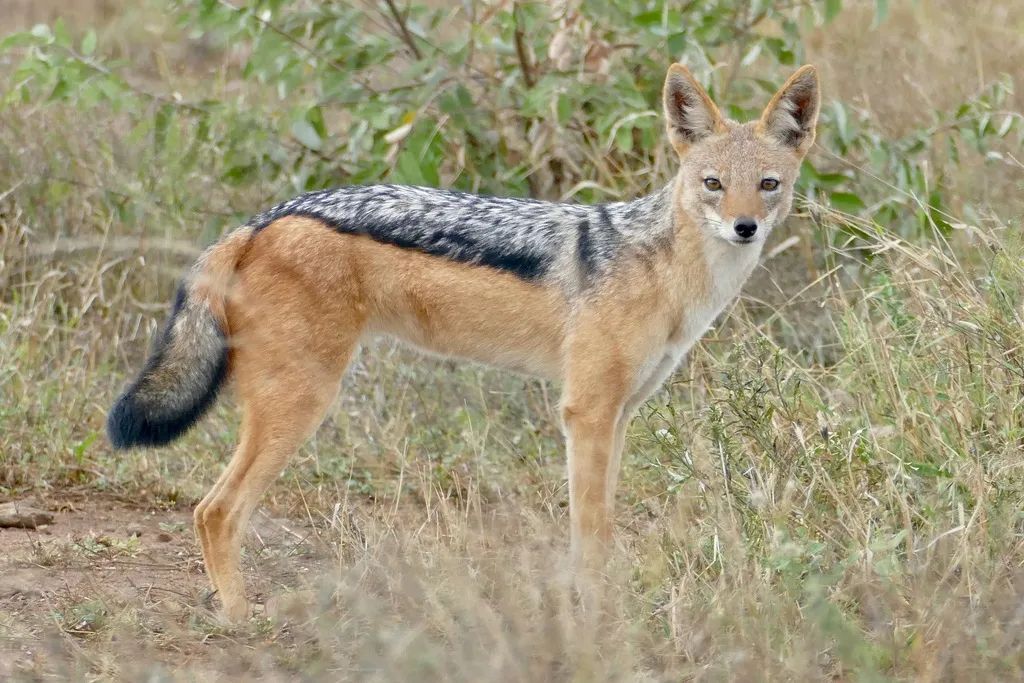
Black-backed Jackal
Lupulella mesomelas
Persistent, clever, and heard yipping across the plains at dusk.
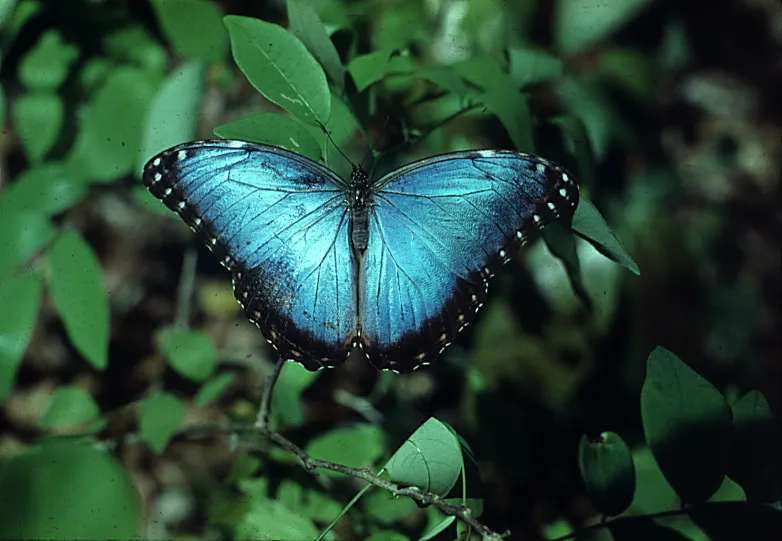
Blue Morpho
Morpho helenor
Electric blue flashes down forest paths, impossible to photograph in flight.
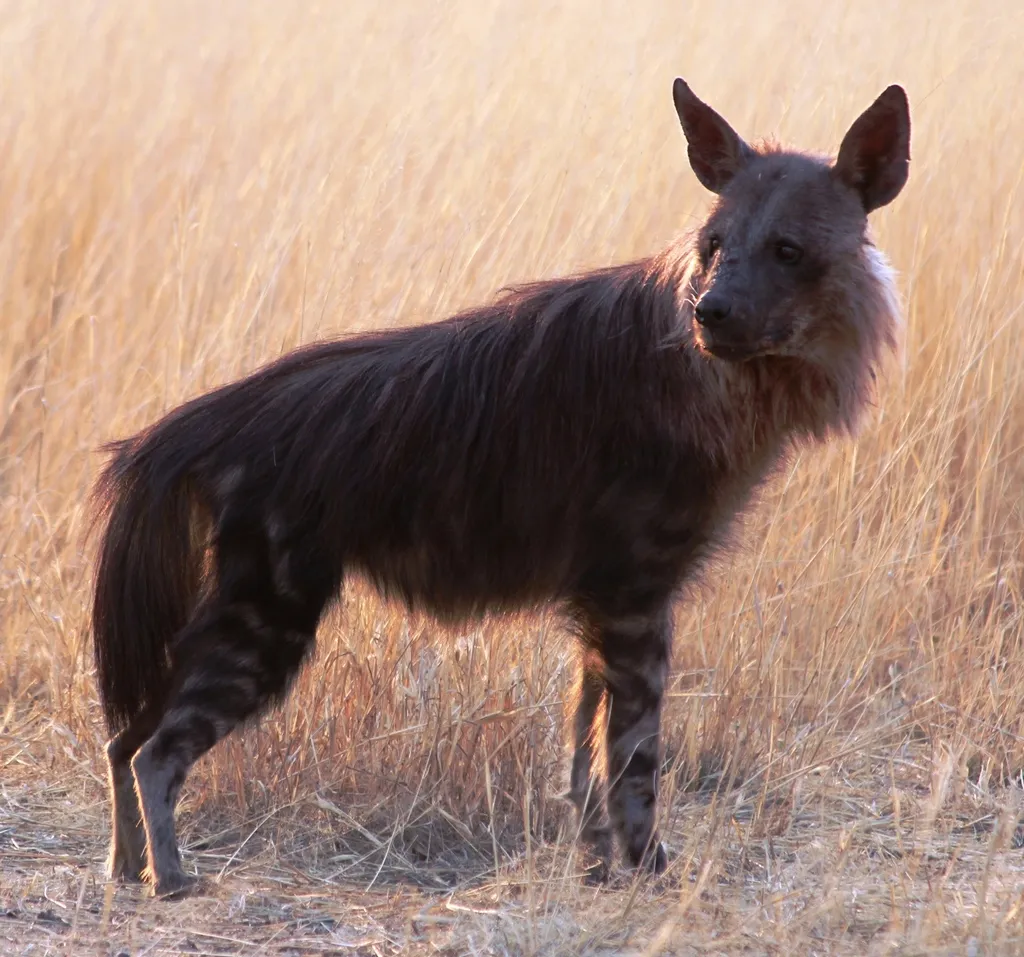
Brown Hyena
Parahyaena brunnea
Shaggy ghost of the Skeleton Coast, scavenging along the tide line.
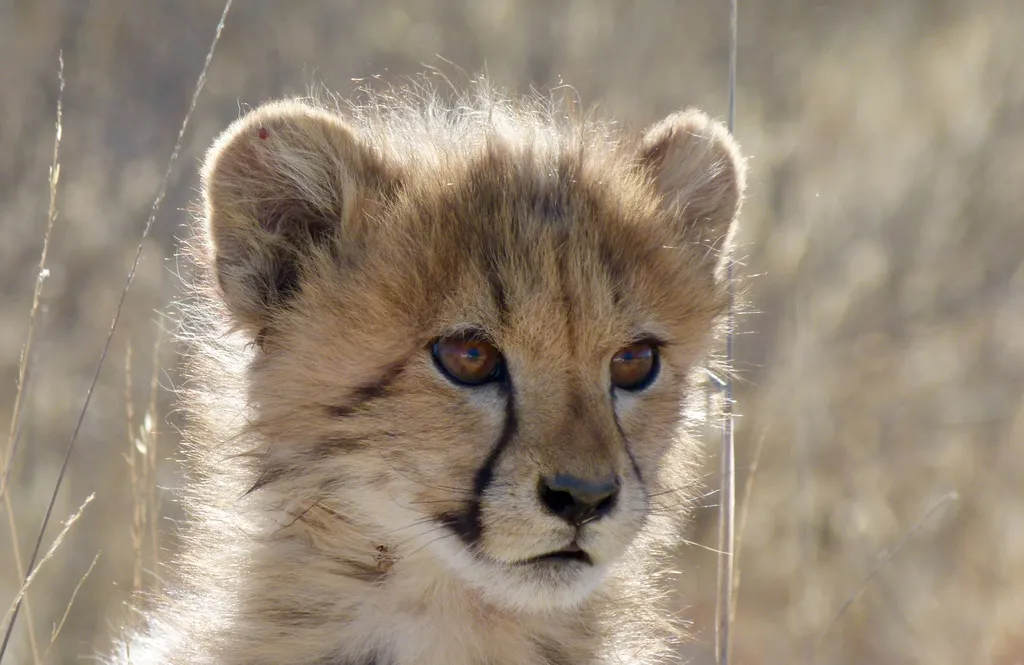
Cheetah
Acinonyx jubatus
Namibia holds the world's largest free-roaming cheetah population.
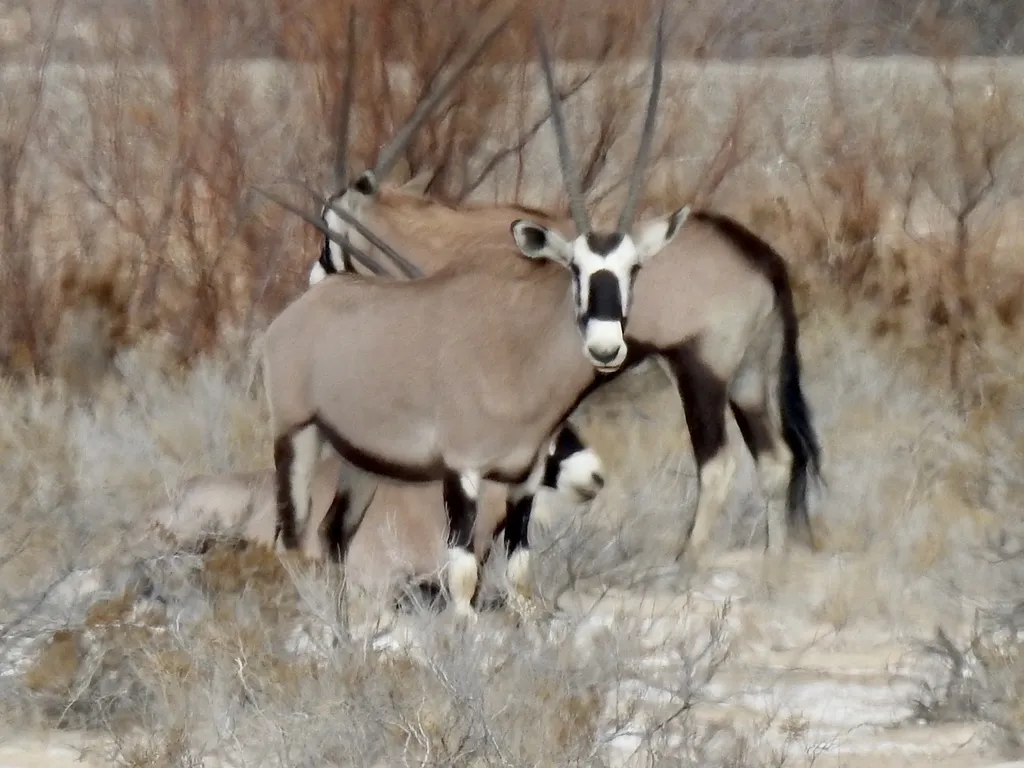
Gemsbok
Oryx gazella
Emblem of the desert, capable of surviving without free water.
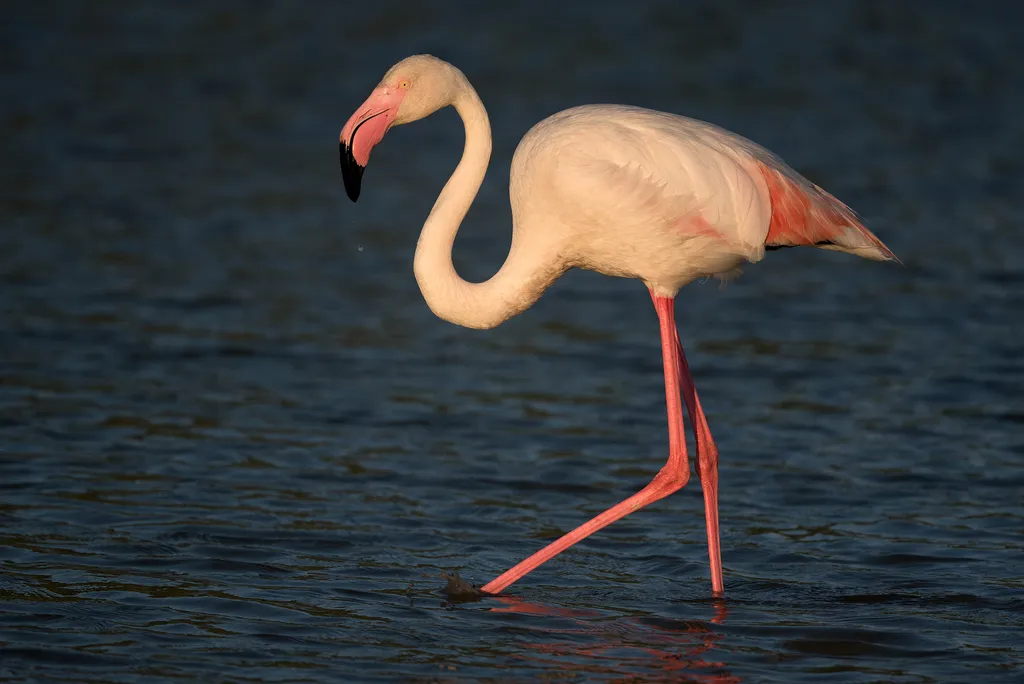
Greater Flamingo
Phoenicopterus roseus
Pink drifts across Walvis Bay's lagoons after the rains.
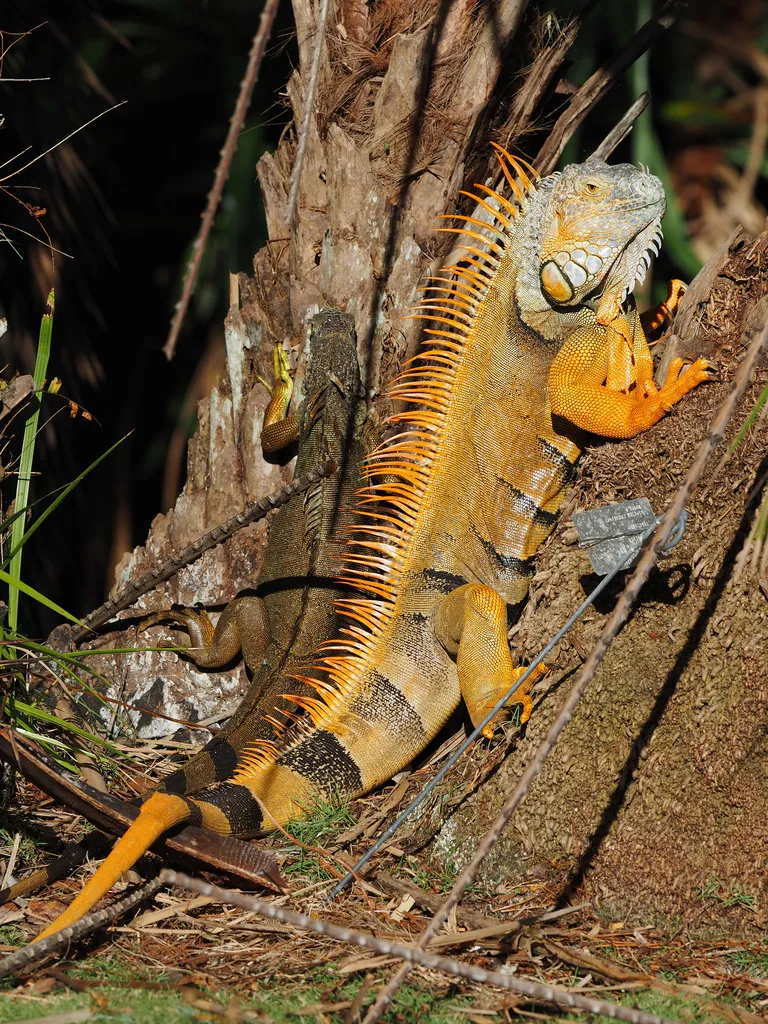
Green Iguana
Iguana iguana
Basking in the crowns of trees along slow rivers.
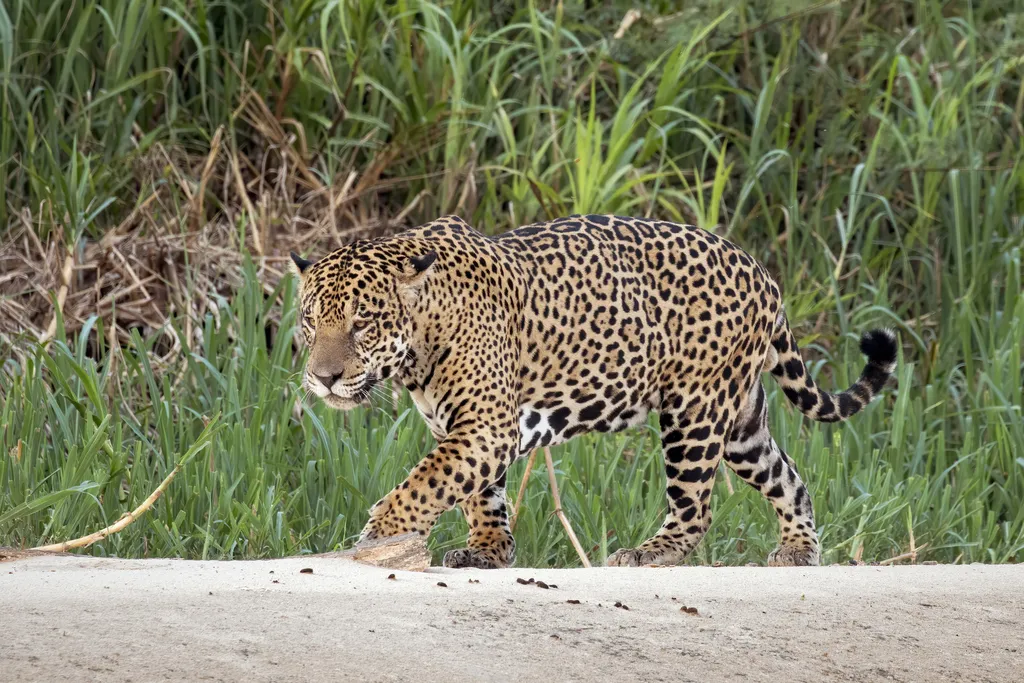
Jaguar
Panthera onca
Tracks along the beach at Corcovado; the animal itself is a gift.
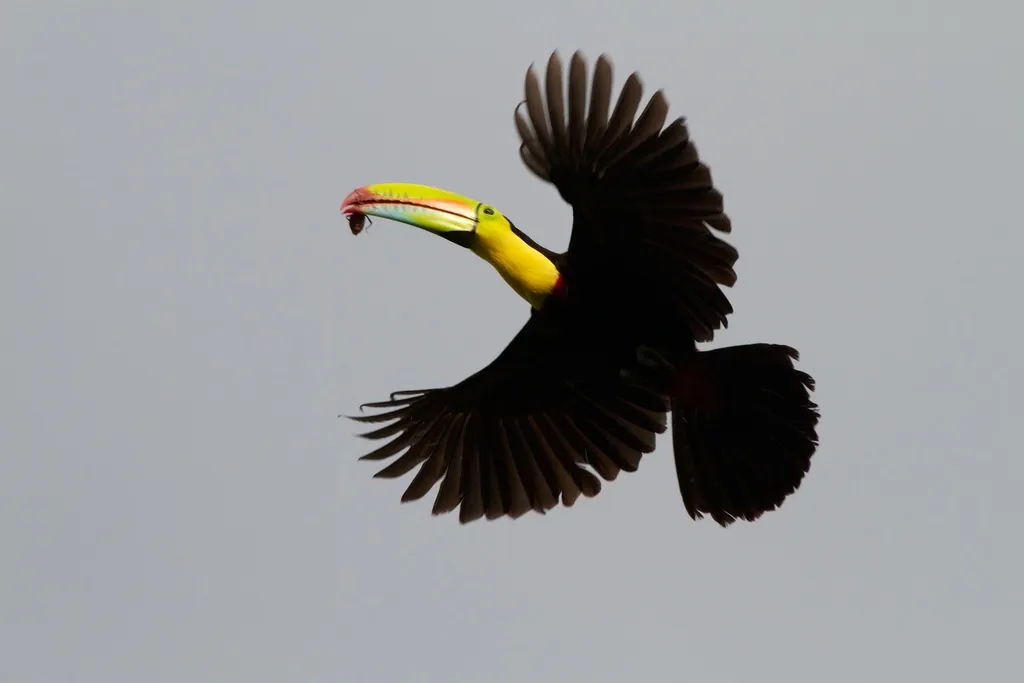
Keel-billed Toucan
Ramphastos sulfuratus
Improbable bill, croaking calls above the canopy.
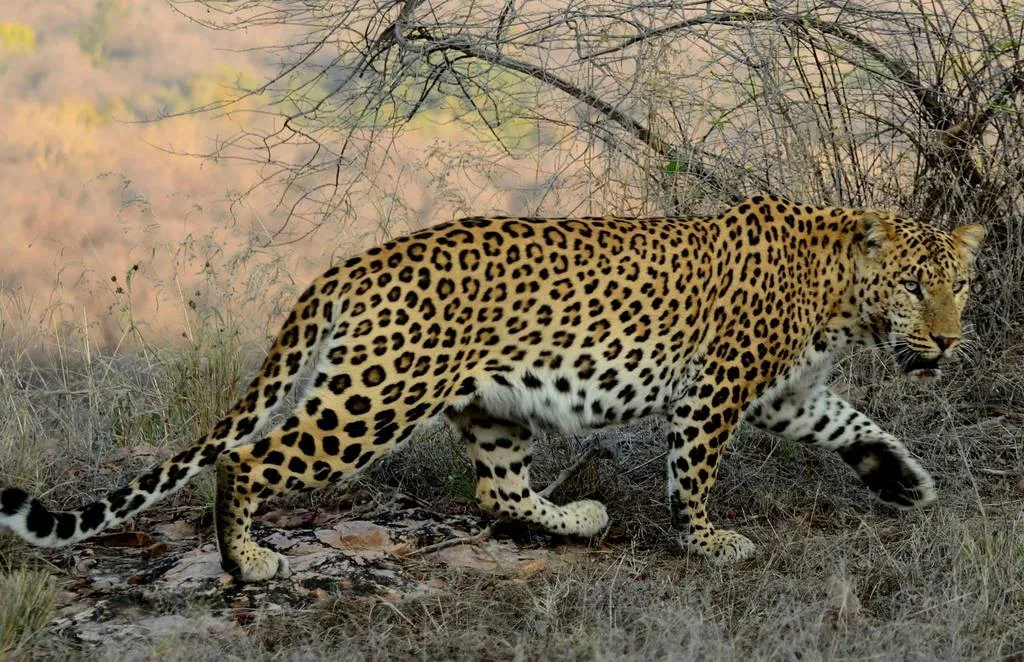
Leopard
Panthera pardus
Cryptic, solitary, and everywhere, if you know where to look.
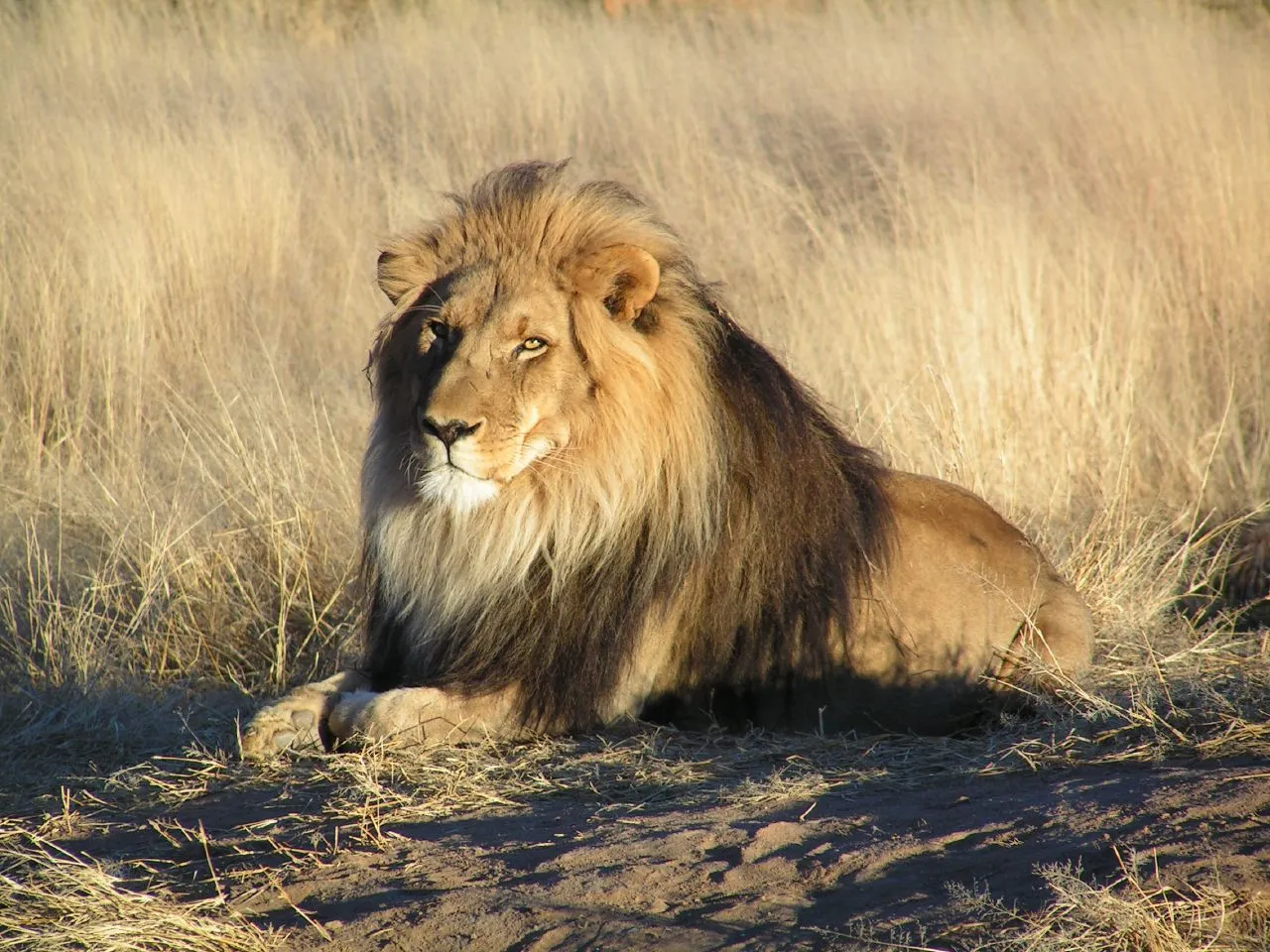
Lion
Panthera leo
Pride cats of the open pans, heard long before they are seen.
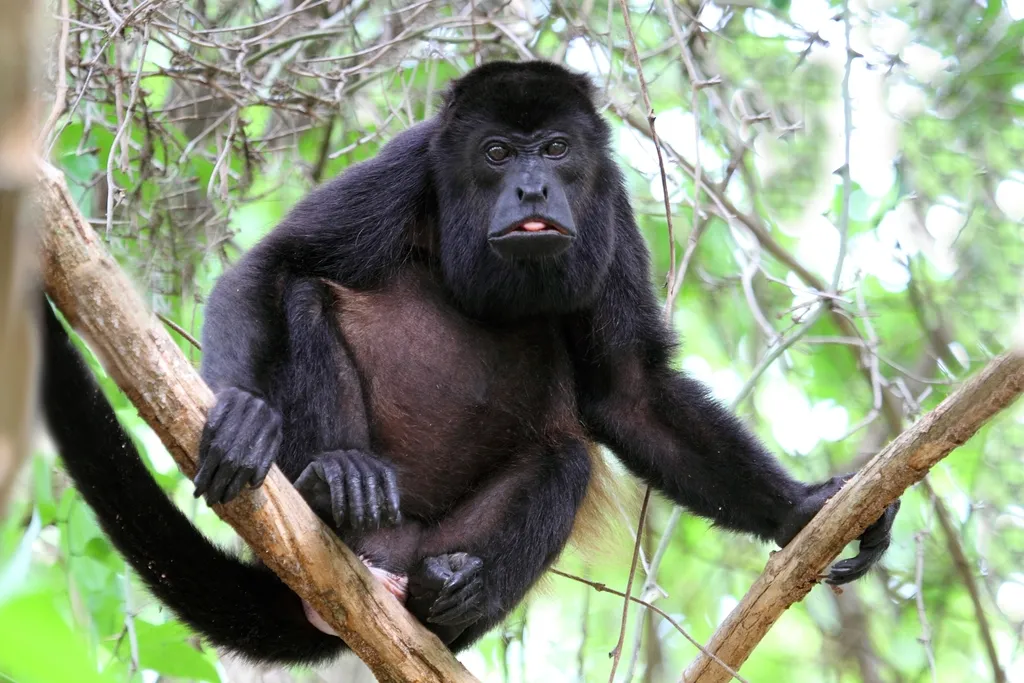
Mantled Howler Monkey
Alouatta palliata
The sound of the neotropics at first light.
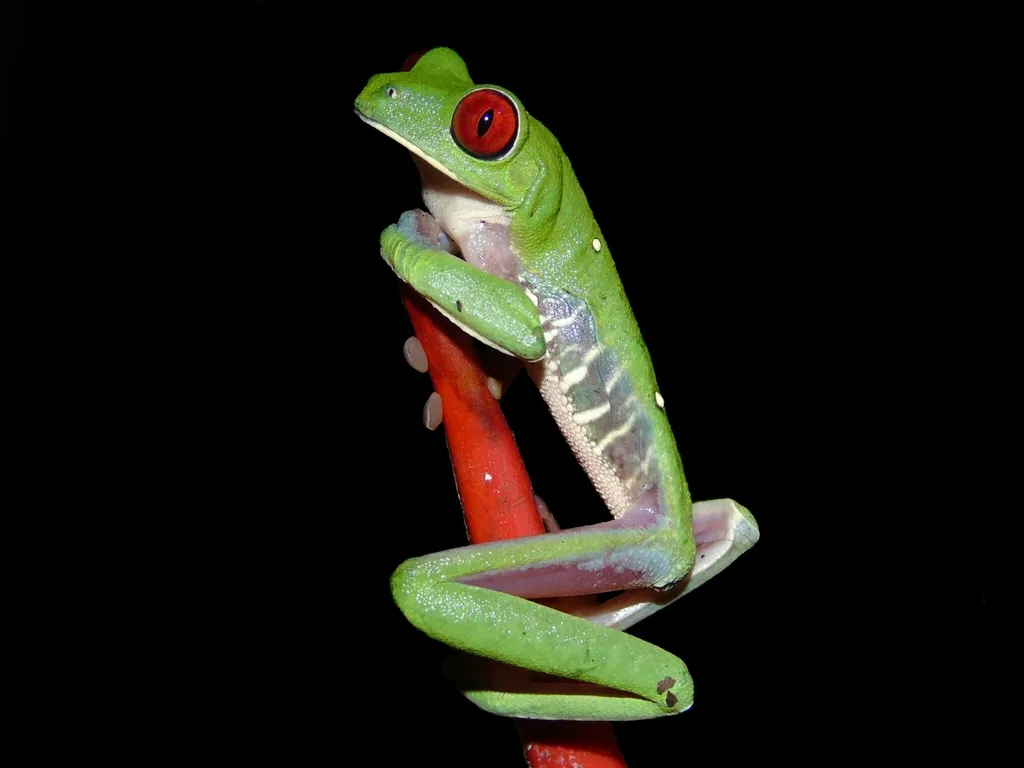
Red-eyed Tree Frog
Agalychnis callidryas
Night walks after rain, leaves at eye level.
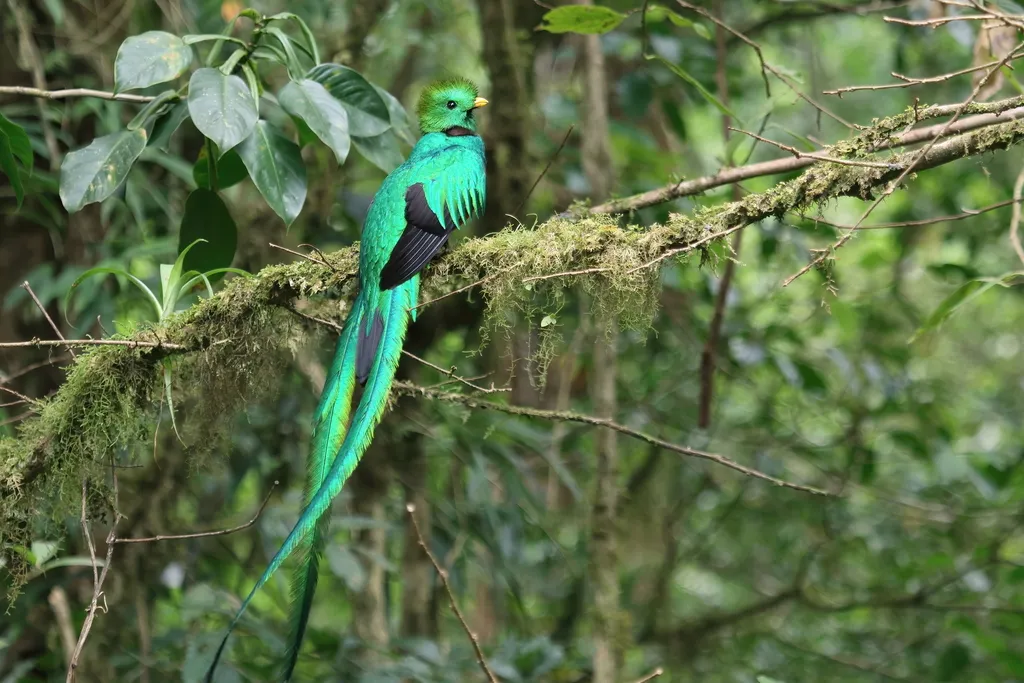
Resplendent Quetzal
Pharomachrus mocinno
The green-and-scarlet emblem of the cloud forest, tail streaming behind.
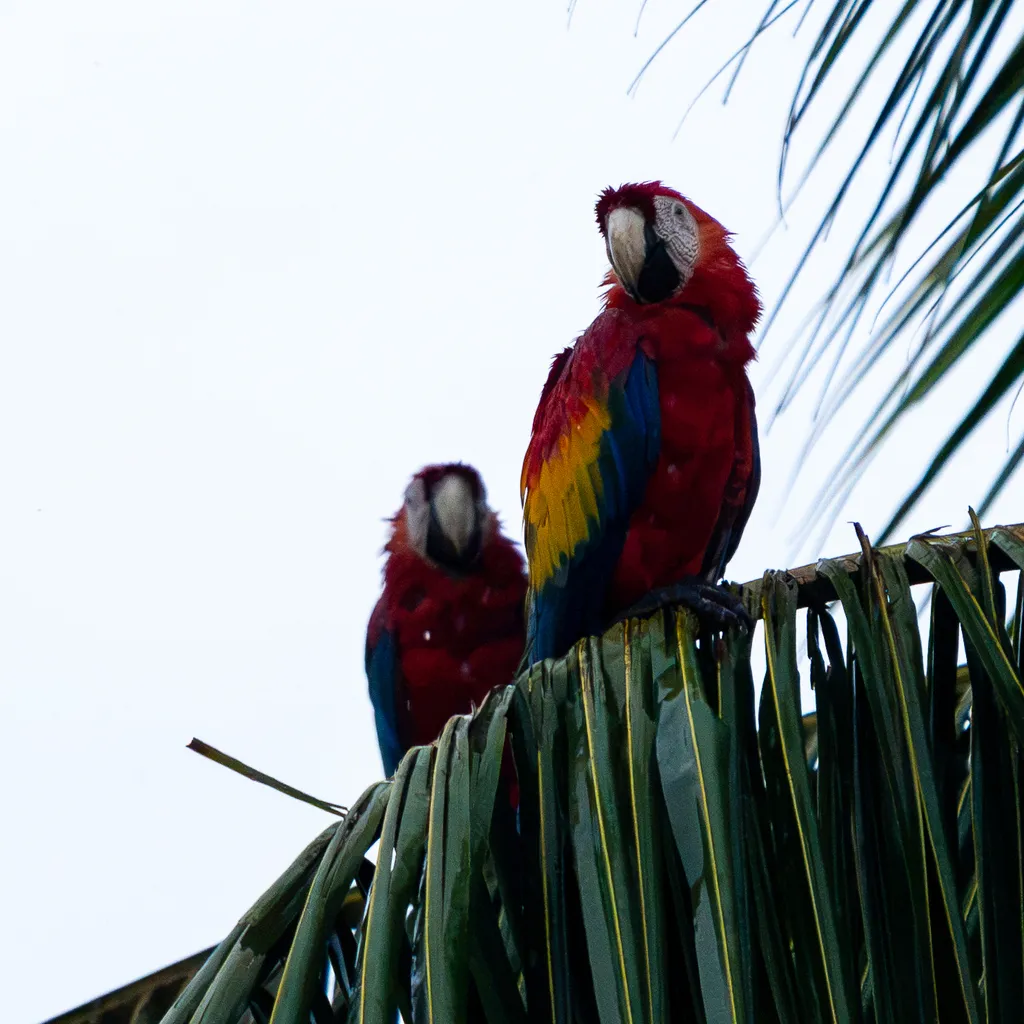
Scarlet Macaw
Ara macao
Pairs streaking above the beach almond trees at Carara.
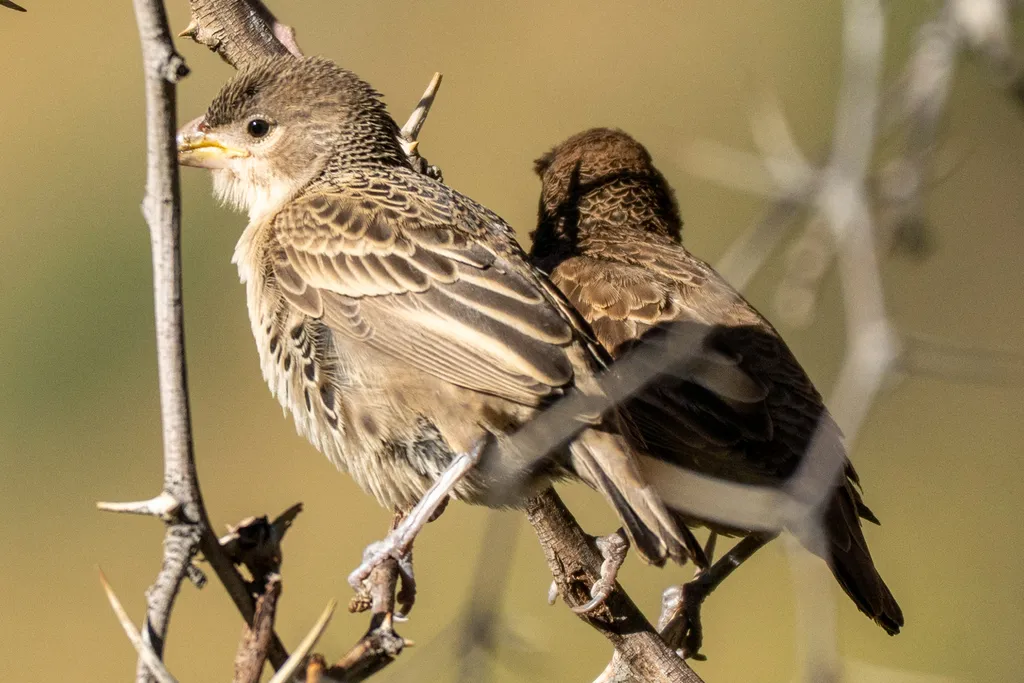
Sociable Weaver
Philetairus socius
Builders of the largest bird nests on Earth: apartment blocks in acacia.
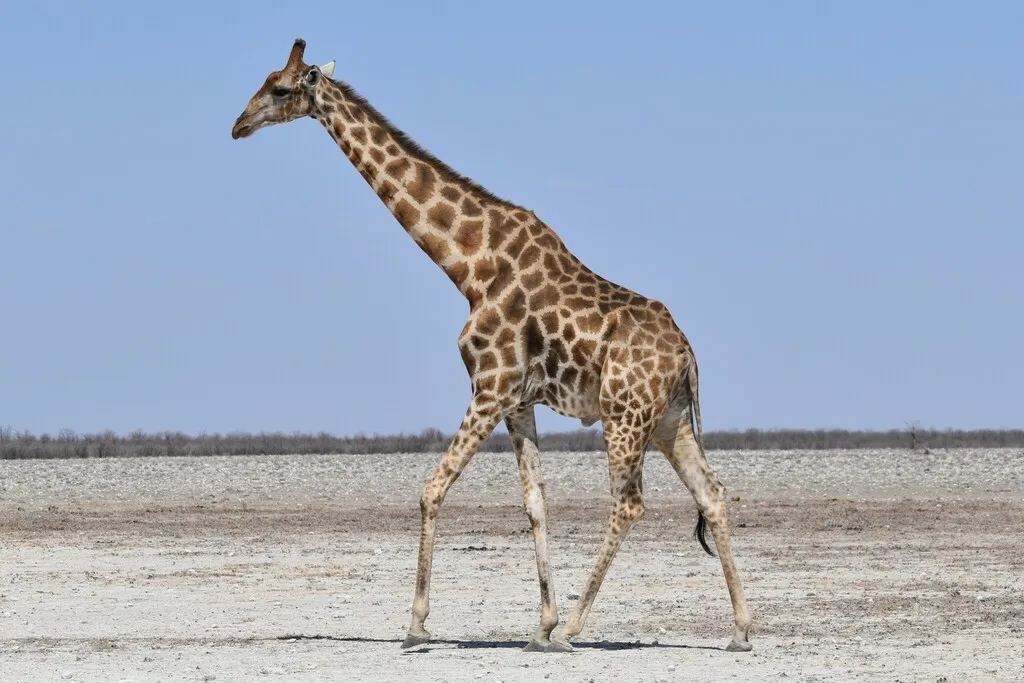
Southern Giraffe
Giraffa giraffa
Tall browsers of the mopane and acacia belts.
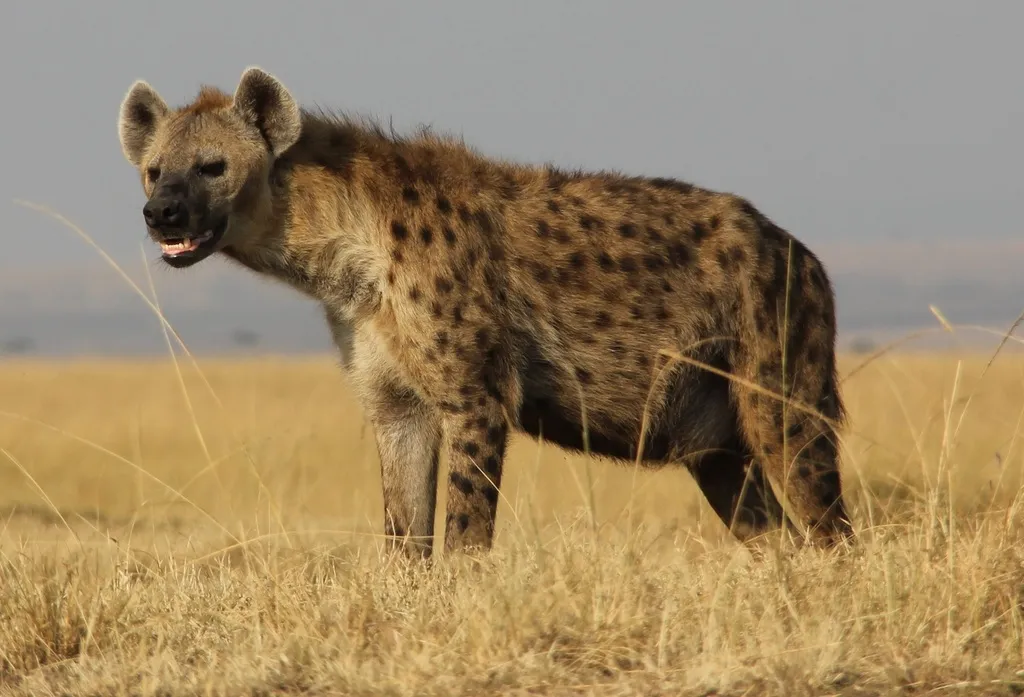
Spotted Hyena
Crocuta crocuta
Whoops after dark; kills at first light.
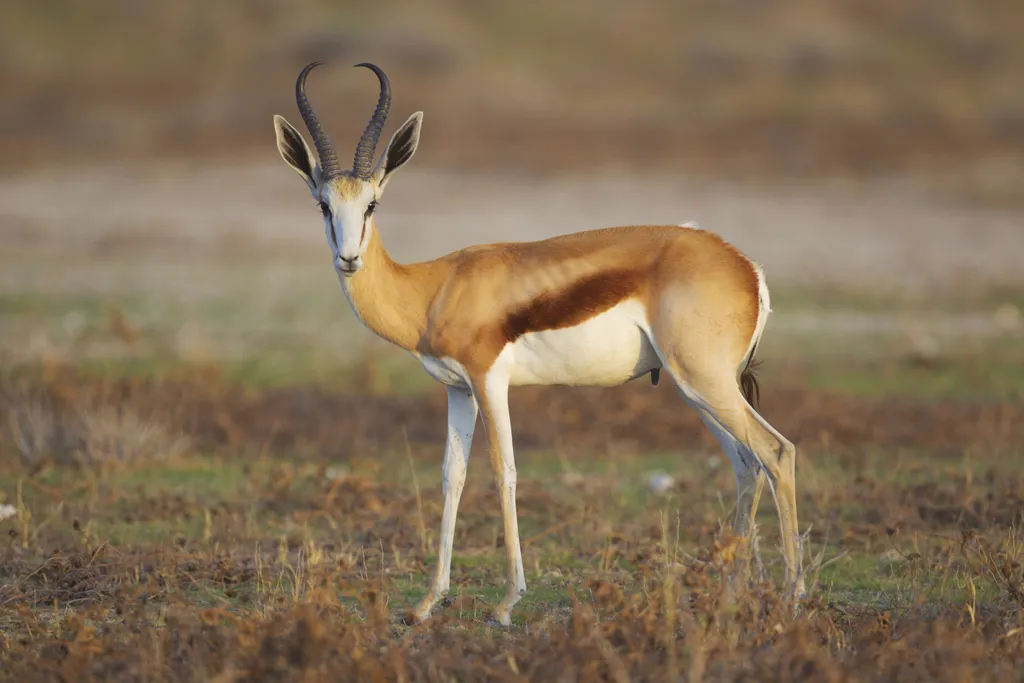
Springbok
Antidorcas marsupialis
Small, watchful, and given to sudden pronking displays.
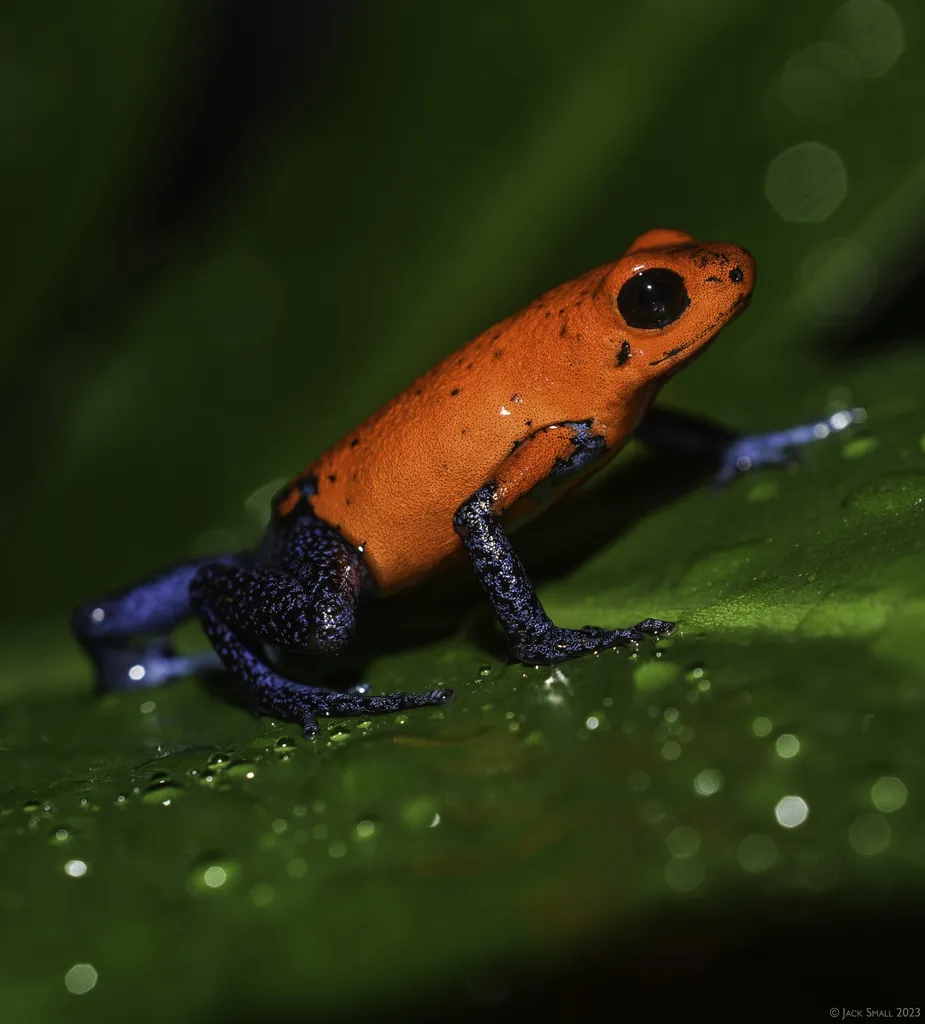
Strawberry Poison-dart Frog
Oophaga pumilio
Tiny, loud, and unmistakably red on the forest floor.
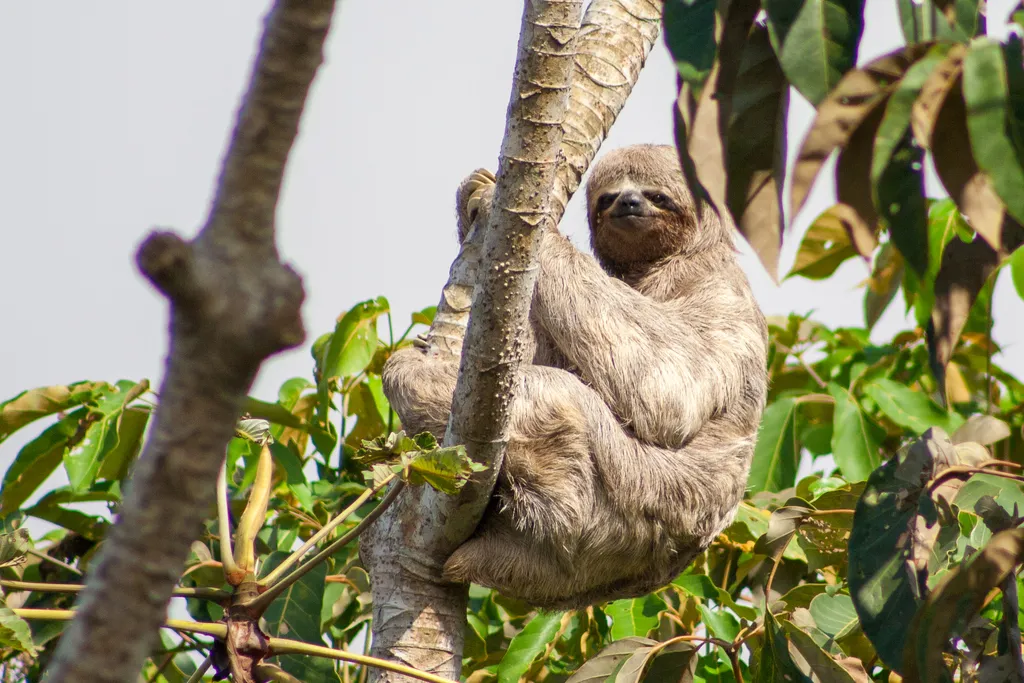
Three-toed Sloth
Bradypus variegatus
Slow-motion cecropia specialists: look up, then look up again.
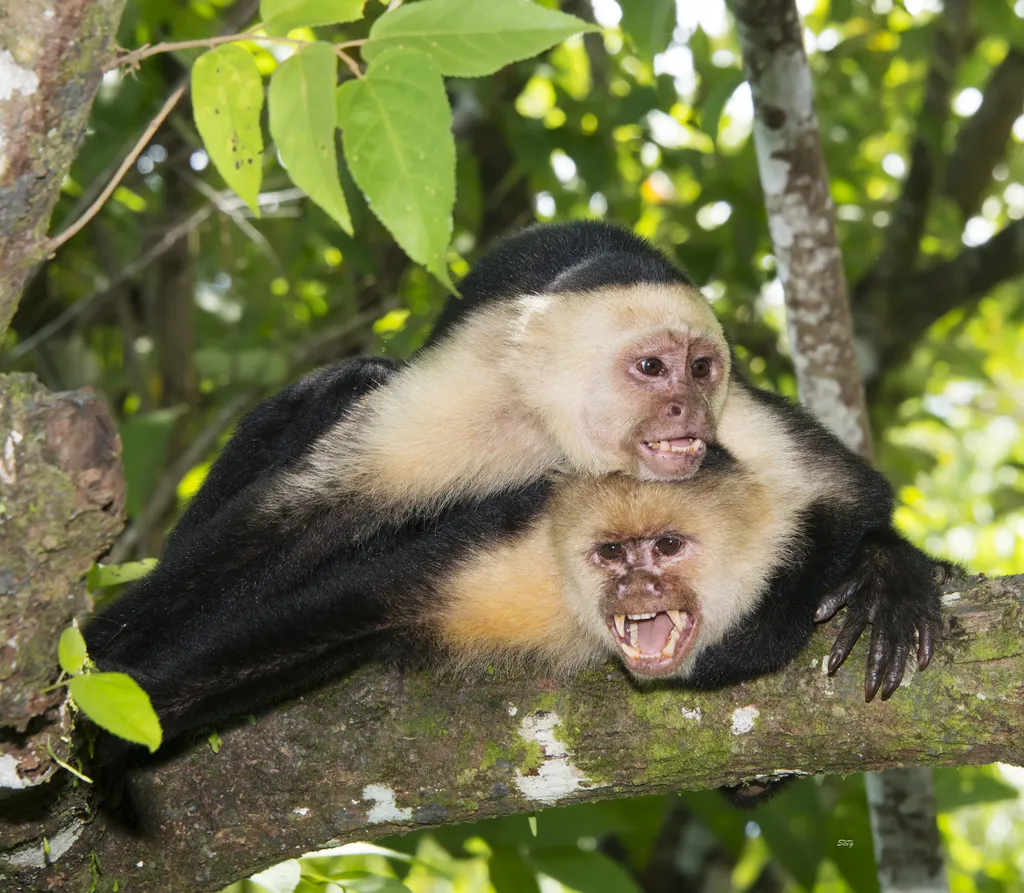
White-faced Capuchin
Cebus imitator
Clever, curious troops. Do not feed them, ever.