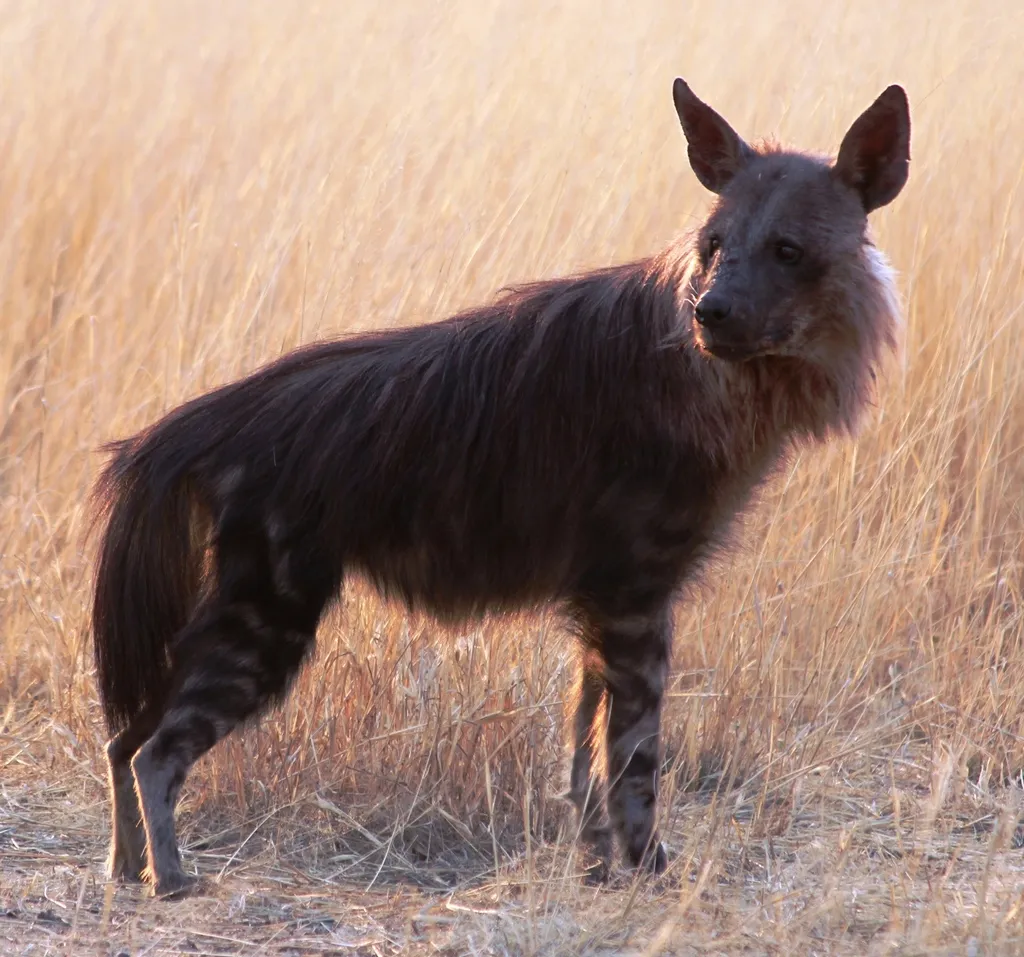
Brown Hyena
Parahyaena brunnea
Shaggy ghost of the Skeleton Coast, scavenging along the tide line.
The brown hyena is the ghost of this list: shaggy, long-haired, almost cape-wearing, and so seldom seen that even guides count sightings in years. There may be fewer than 10,000 on Earth, most in southern Africa, and coastal Namibia is their stronghold, where they walk astonishing nightly circuits, 30 kilometers and more, alone along beaches and dune streets, checking seal colonies for what the sea and the jackals left. They rarely kill; they inherit. By day they vanish into brush and old aardvark burrows. Finding one in your headlights, mane blowing, unhurried, is the kind of sighting that quietly outranks a pride of lions in a serious traveler's notebook.
Solitary foragers that share a communal den and territory. Nightly foraging walks follow scent-marked paths with remarkable discipline.
A scavenger first: carcasses, seal pups and marine carrion on the coast, insects, eggs and wild fruit inland, including tsamma melons for moisture.
Your best odds are coastal roads at dawn near seal colonies. Keep ISO high and expectations low; treat any sighting as a gift and shoot from where you stopped.
Never follow a brown hyena; being trailed can make it abandon a foraging route it needs.
No encounter zones yet
Where and when you can expect to see Brown Hyena is calculated from observation density. No zones have been computed for this species yet.
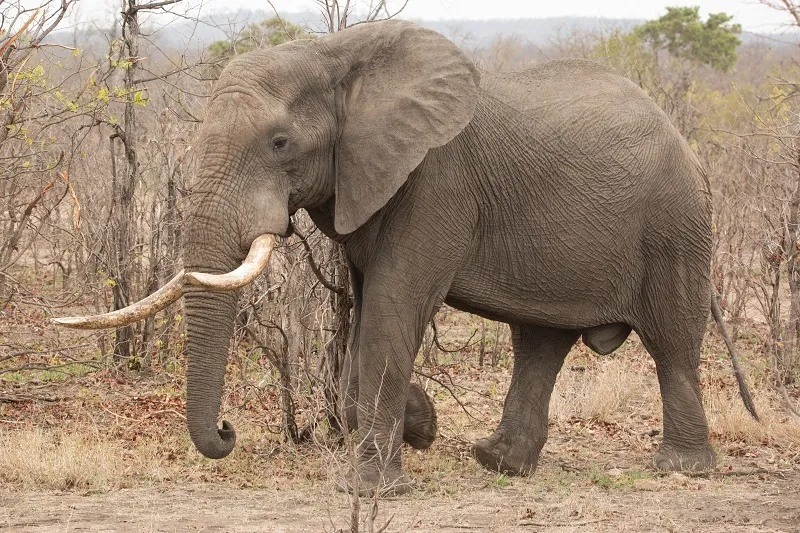
African Elephant
Loxodonta africana
Desert-adapted herds that survive on remembered water in some of the driest country in Africa.
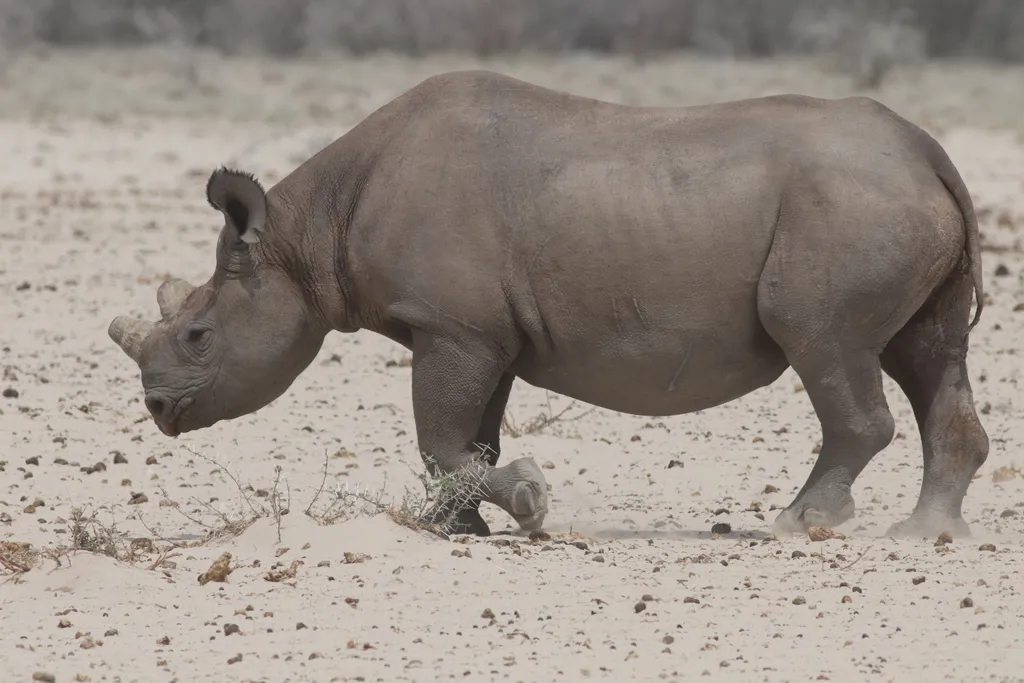
Black Rhinoceros
Diceros bicornis
Precise locations are withheld. Namibia holds a globally significant population.
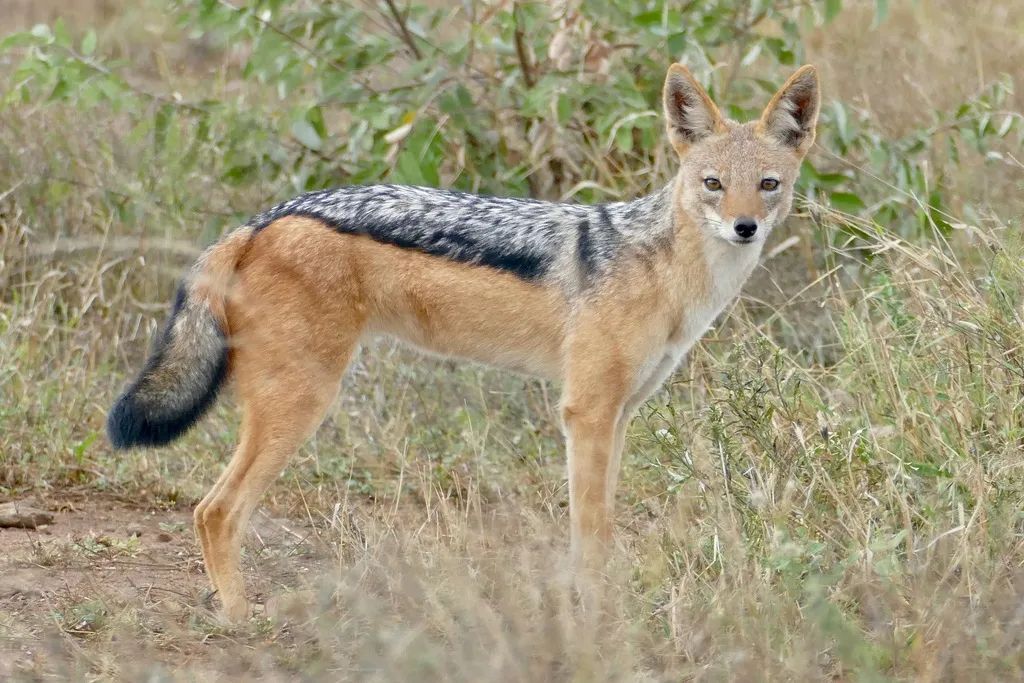
Black-backed Jackal
Lupulella mesomelas
Persistent, clever, and heard yipping across the plains at dusk.
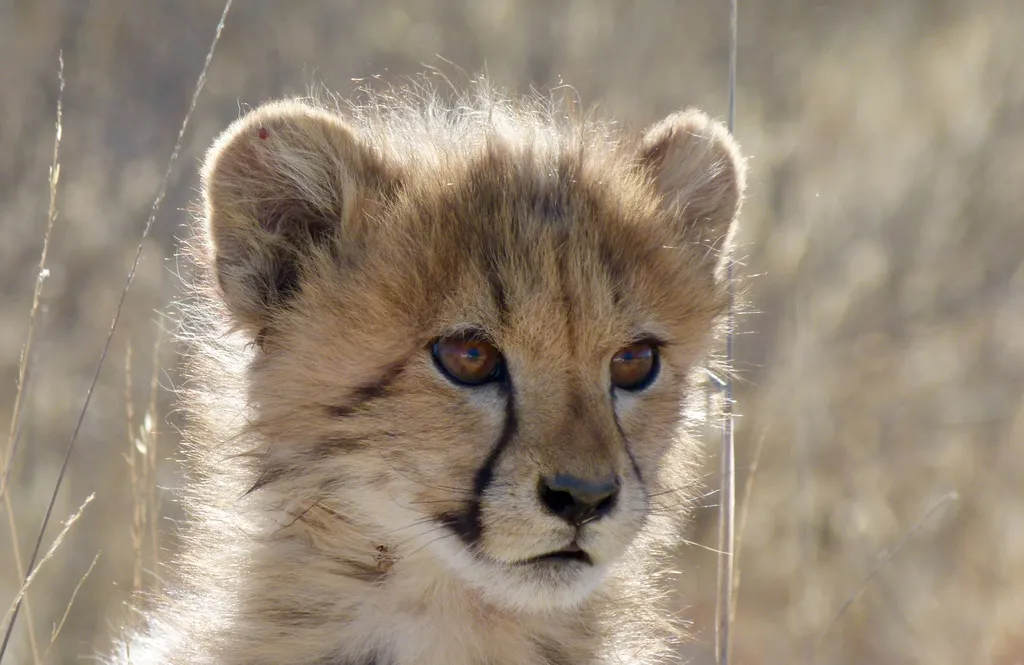
Cheetah
Acinonyx jubatus
Namibia holds the world's largest free-roaming cheetah population.