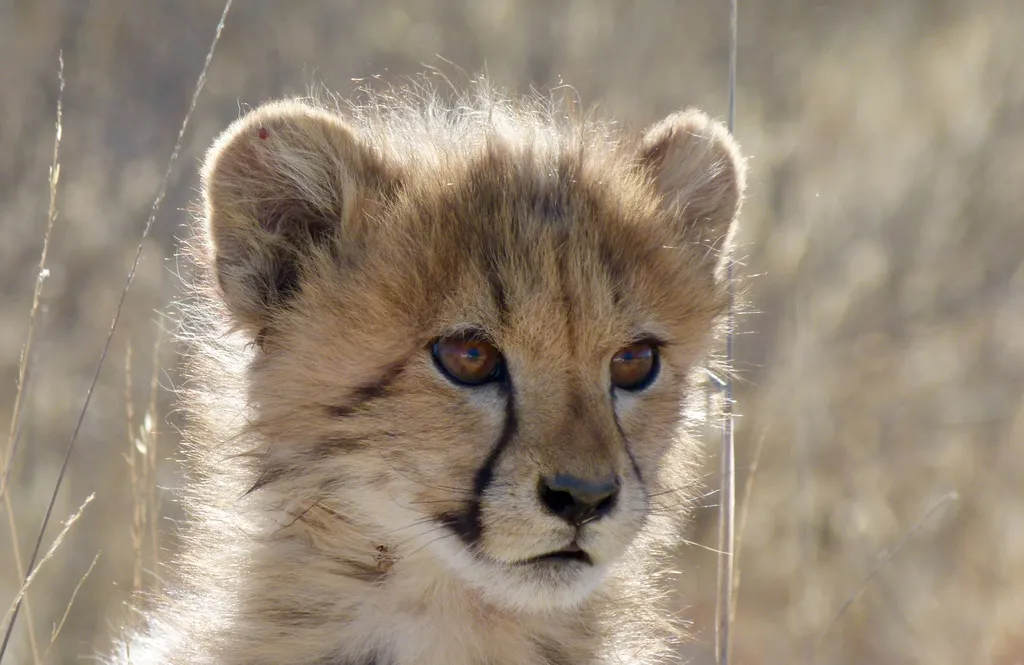
Cheetah
Acinonyx jubatus
Namibia holds the world's largest free-roaming cheetah population.
The world's fastest land animal is also one of its most fragile success stories: fewer than 7,000 remain, and Namibia holds more of them than any other country, most living not in parks but on farmland, threading their lives between livestock and people. A cheetah is built like an arrow, 35 to 60 kilograms of spring-loaded spine, oversized heart and nostrils, and a tail that works as a rudder. The sprint everyone knows, zero to a hundred in about three seconds, is a bet it can only place a few times a day; the chase is won or lost in the first three hundred meters. Look for the black tear lines running muzzle to eye, the field mark that separates it instantly from a leopard.
Daytime hunter, using termite mounds and fallen trees as lookout posts. Males form small coalitions, often brothers; females raise cubs alone and lose many to larger predators.
Small and mid-sized antelope, springbok above all in Namibia, plus hares and young warthogs. It eats fast, because everything bigger steals from a cheetah.
Find them scanning from a mound in early morning light and wait: the sit-up, the stare, the stalk. Fast shutter, 1/2000 or better, and leave room in the frame for the run.
Never position a vehicle between a cheetah and its prey or its cubs. Every failed hunt you cause costs energy it cannot easily replace.
Generalised encounter areas, not exact locations. Each shape is a grid cell coloured by how likely the species is there.
- UncommonNamibia25 km zone · medium confidence · 3 records · updated 1 day ago
- PossibleNamibia25 km zone · medium confidence · 3 records · updated 1 day ago
- PossibleNamibia25 km zone · medium confidence · 3 records · updated 1 day ago
- LikelyNamibia25 km zone · medium confidence · 5 records · updated 1 day ago
- Very likelyNamibia25 km zone · medium confidence · 6 records · updated 1 day ago
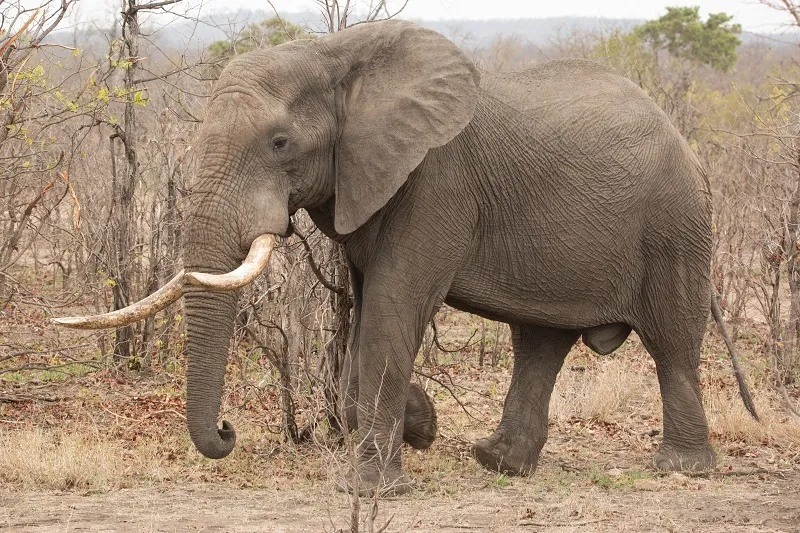
African Elephant
Loxodonta africana
Desert-adapted herds that survive on remembered water in some of the driest country in Africa.
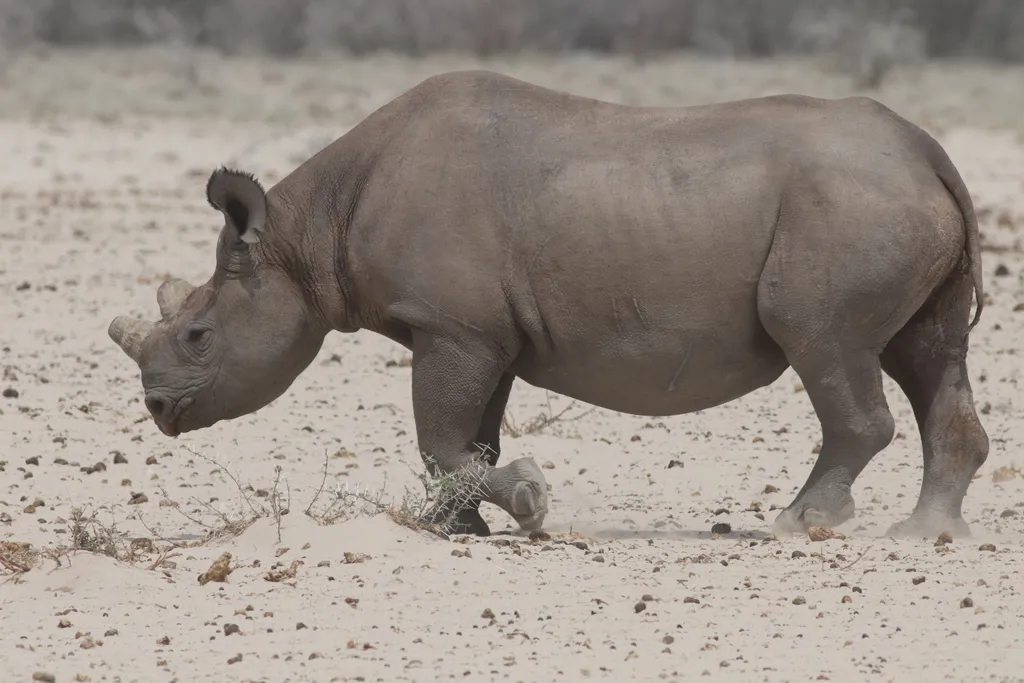
Black Rhinoceros
Diceros bicornis
Precise locations are withheld. Namibia holds a globally significant population.
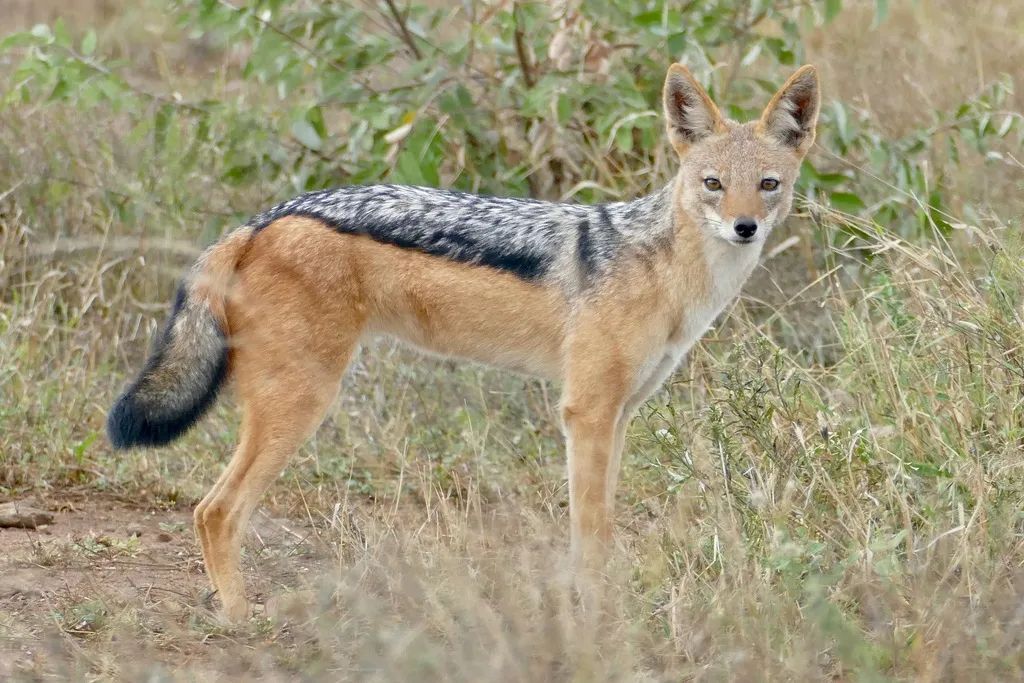
Black-backed Jackal
Lupulella mesomelas
Persistent, clever, and heard yipping across the plains at dusk.
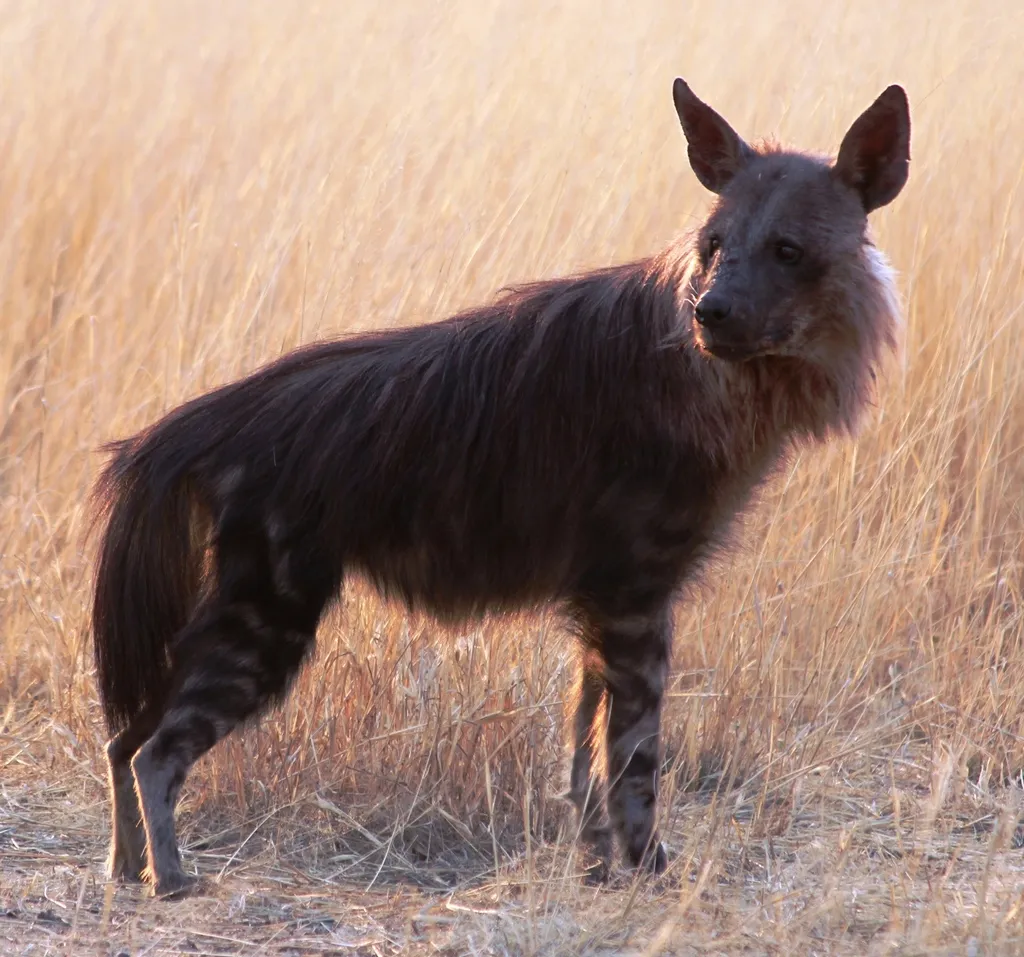
Brown Hyena
Parahyaena brunnea
Shaggy ghost of the Skeleton Coast, scavenging along the tide line.