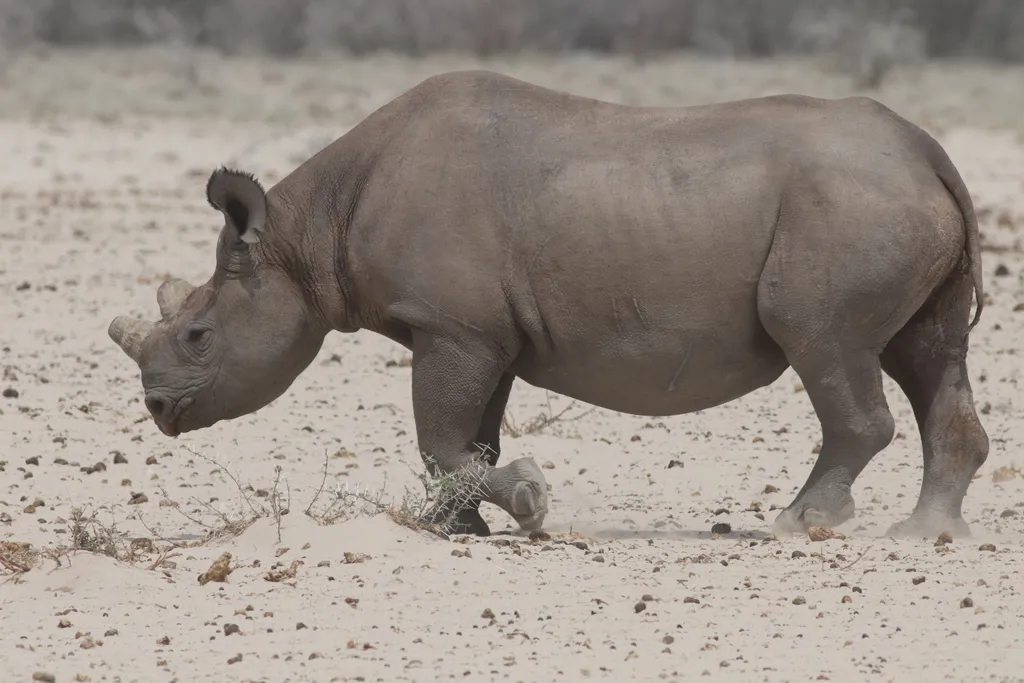
Black Rhinoceros
Diceros bicornis
Precise locations are withheld. Namibia holds a globally significant population.
Around 6,000 black rhinos survive in the wild, and Namibia guards the largest free-roaming population on Earth, including the famous desert-adapted rhinos of the Kunene that walk moonscapes no textbook says a rhino should survive. This is the smaller, feistier of Africa's two rhinos: 800 to 1,400 kilograms, built like a boulder, with a hooked upper lip made for plucking shrubs rather than mowing grass. Poaching erased 96 percent of the species between 1970 and the early 1990s; every animal you see here descends from the survivors of that collapse. They are near-sighted, sharp-eared, and famously willing to charge first and investigate later, which is half the reason guides love them and the other half why your guide keeps the engine running.
Mostly solitary and territorial, moving between browse and water in the cool hours. Rhinos remember each other by scent posts, communal dung piles that work like a neighborhood noticeboard.
A browser, not a grazer: twigs, shrubs, herbs and succulents, clipped with that prehensile hooked lip. In the Kunene it eats euphorbias toxic enough to blister human skin.
Waterholes in the dry months, first and last light. Stay low, stay quiet, and favor a long lens: 400 mm or more keeps you honest about distance. If the head swings up and the ears lock on you, you are already too close.
Never share exact rhino locations or recognizable landmarks in photos; poachers read metadata and backgrounds. WorldWildMap generalises every rhino record to a 50 km zone for this reason.
Generalised encounter areas, not exact locations. Each shape is a grid cell coloured by how likely the species is there.
- Very likelyNamibia50 km zone · medium confidence · 48 records · updated 1 day ago
- Very likelyNamibia50 km zone · medium confidence · 7 records · updated 1 day ago
- Very likelyNamibia50 km zone · medium confidence · 5 records · updated 1 day ago
- Very likelyNamibia50 km zone · medium confidence · 5 records · updated 1 day ago
- Very likelyNamibia50 km zone · medium confidence · 12 records · updated 1 day ago
- LikelyNamibia50 km zone · medium confidence · 31 records · updated 1 day ago
- LikelyNamibia50 km zone · medium confidence · 6 records · updated 1 day ago
- LikelyNamibia50 km zone · medium confidence · 7 records · updated 1 day ago
- LikelyNamibia50 km zone · medium confidence · 17 records · updated 1 day ago
- LikelyNamibia50 km zone · medium confidence · 6 records · updated 1 day ago
- PossibleNamibia50 km zone · medium confidence · 16 records · updated 1 day ago
- PossibleNamibia50 km zone · medium confidence · 11 records · updated 1 day ago
- PossibleNamibia50 km zone · medium confidence · 14 records · updated 1 day ago
- UncommonNamibia50 km zone · medium confidence · 3 records · updated 1 day ago
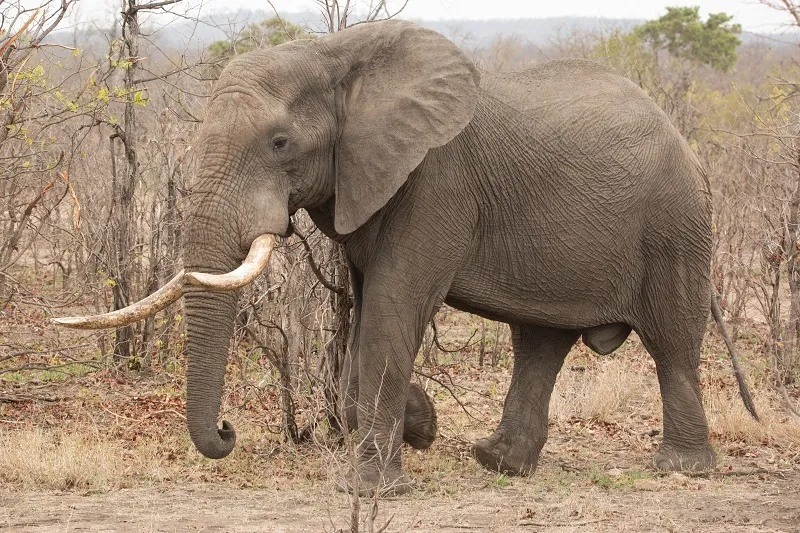
African Elephant
Loxodonta africana
Desert-adapted herds that survive on remembered water in some of the driest country in Africa.
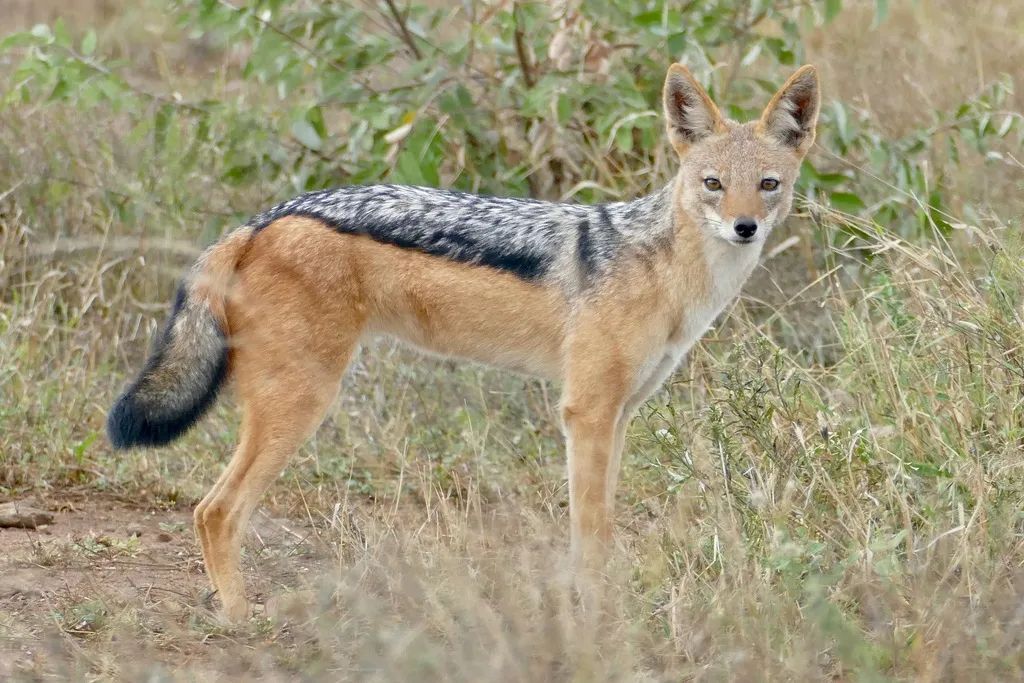
Black-backed Jackal
Lupulella mesomelas
Persistent, clever, and heard yipping across the plains at dusk.
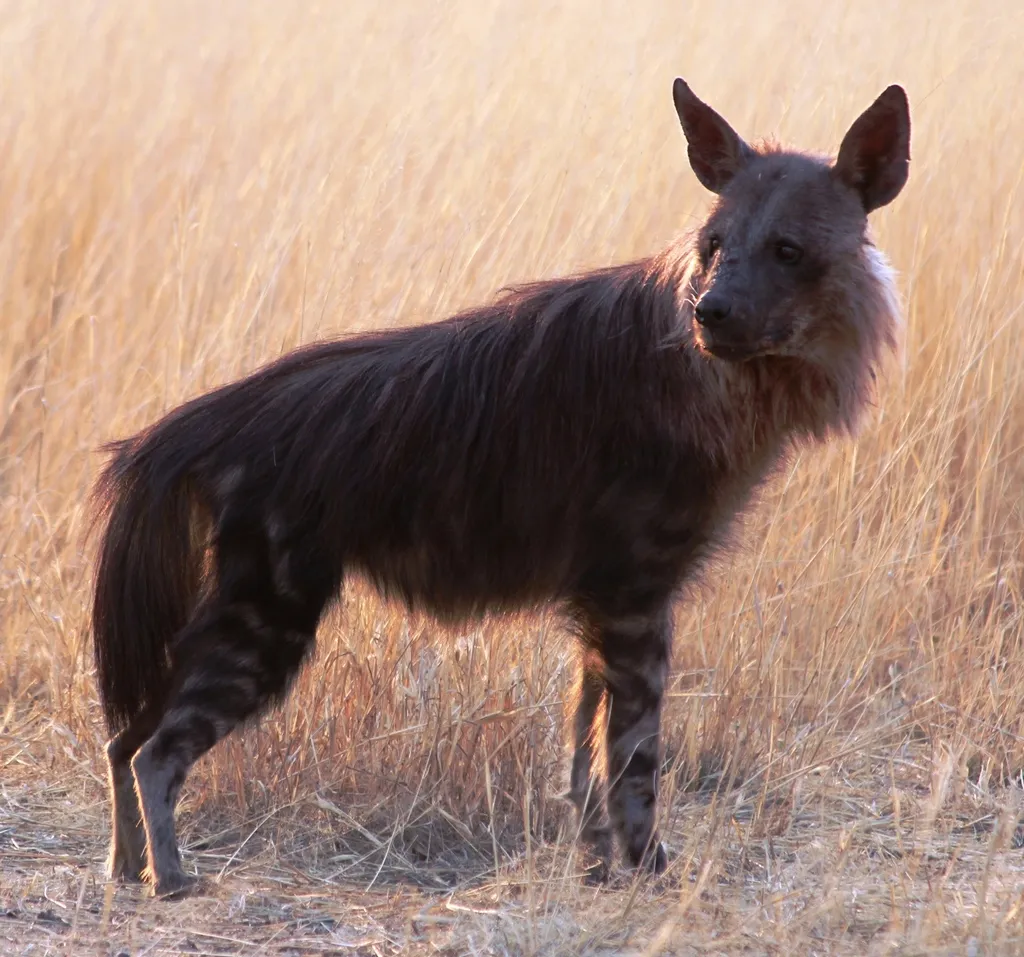
Brown Hyena
Parahyaena brunnea
Shaggy ghost of the Skeleton Coast, scavenging along the tide line.
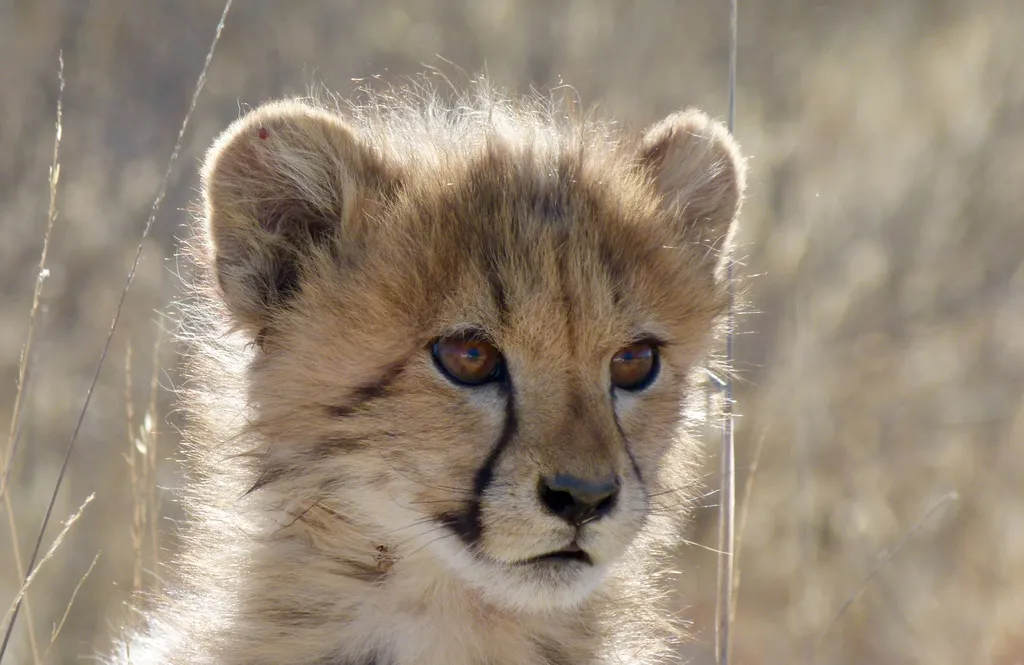
Cheetah
Acinonyx jubatus
Namibia holds the world's largest free-roaming cheetah population.