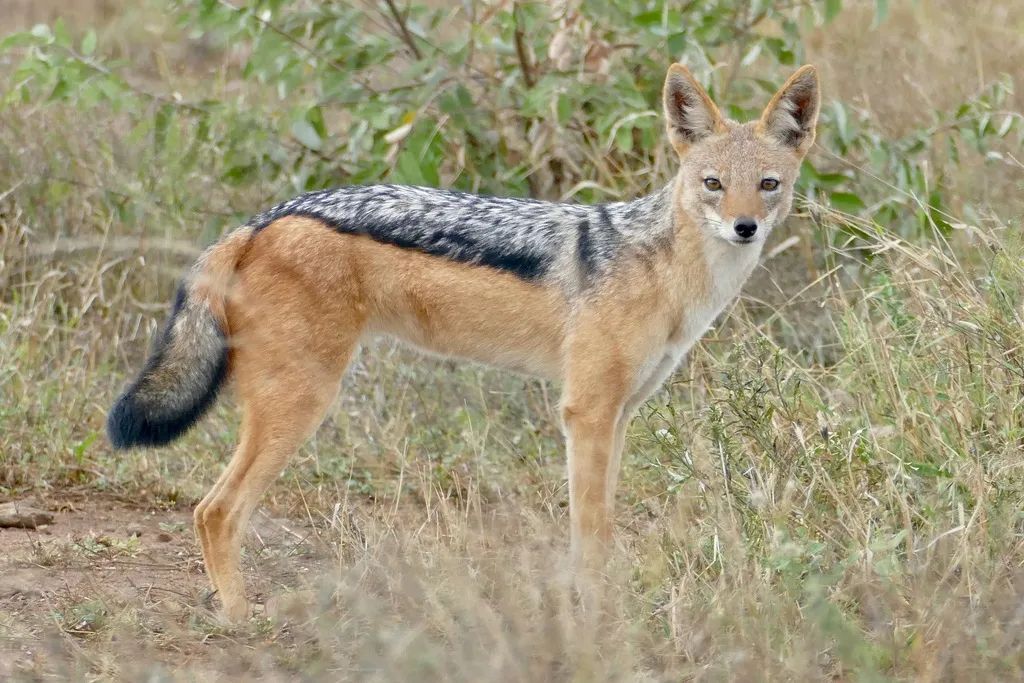
Black-backed Jackal
Lupulella mesomelas
Persistent, clever, and heard yipping across the plains at dusk.
If the bush has a wit, it is the black-backed jackal: a fox-sized canid wearing a silver-black saddle, common from the Skeleton Coast to the Kalahari and entirely unbothered by our opinion of it. Jackals mate for life, defend small family territories, and run an omnivorous portfolio that stretches from beetles to newborn springbok to the edges of a lion kill, where they dart in with a courage completely out of scale with their eight kilograms. On the coast they patrol seal colonies like commuters. Their evening chorus, a rising, yammering wail passed from pair to pair across the veld, is one of the definitive sounds of a Namibian night.
Monogamous pairs, often helped by grown offspring from earlier litters. Bold at kills, endlessly testing how close is too close.
True omnivore: rodents, hares, insects, reptiles, carrion, fruit, and along the coast, seal pups and whatever the tide donates.
Work them at kills and waterholes where they forget you exist. Eye-level and a fast frame rate catches the head-tilted, one-paw-raised hesitation that is pure jackal.
Never feed jackals at camps; a food-conditioned jackal becomes a problem animal with a short future.
Generalised encounter areas, not exact locations. Each shape is a grid cell coloured by how likely the species is there.
- Very likelyNamibia10 km zone · medium confidence · 18 records · updated 1 day ago
- Very likelyNamibia10 km zone · medium confidence · 7 records · updated 1 day ago
- Very likelyNamibia10 km zone · medium confidence · 13 records · updated 1 day ago
- Very likelyNamibia10 km zone · medium confidence · 11 records · updated 1 day ago
- LikelyNamibia10 km zone · medium confidence · 9 records · updated 1 day ago
- LikelyNamibia10 km zone · medium confidence · 8 records · updated 1 day ago
- LikelyNamibia10 km zone · medium confidence · 8 records · updated 1 day ago
- LikelyNamibia10 km zone · medium confidence · 5 records · updated 1 day ago
- PossibleNamibia10 km zone · medium confidence · 7 records · updated 1 day ago
- PossibleNamibia10 km zone · medium confidence · 7 records · updated 1 day ago
- PossibleNamibia10 km zone · medium confidence · 5 records · updated 1 day ago
- PossibleNamibia10 km zone · medium confidence · 5 records · updated 1 day ago
- PossibleNamibia10 km zone · medium confidence · 4 records · updated 1 day ago
- UncommonNamibia10 km zone · medium confidence · 4 records · updated 1 day ago
- UncommonNamibia10 km zone · medium confidence · 4 records · updated 1 day ago
- UncommonNamibia10 km zone · medium confidence · 3 records · updated 1 day ago
- RareNamibia10 km zone · medium confidence · 3 records · updated 1 day ago
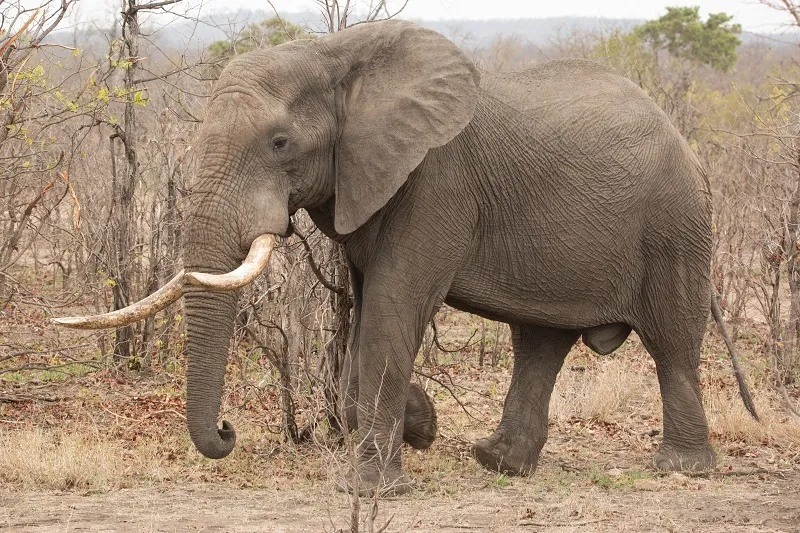
African Elephant
Loxodonta africana
Desert-adapted herds that survive on remembered water in some of the driest country in Africa.
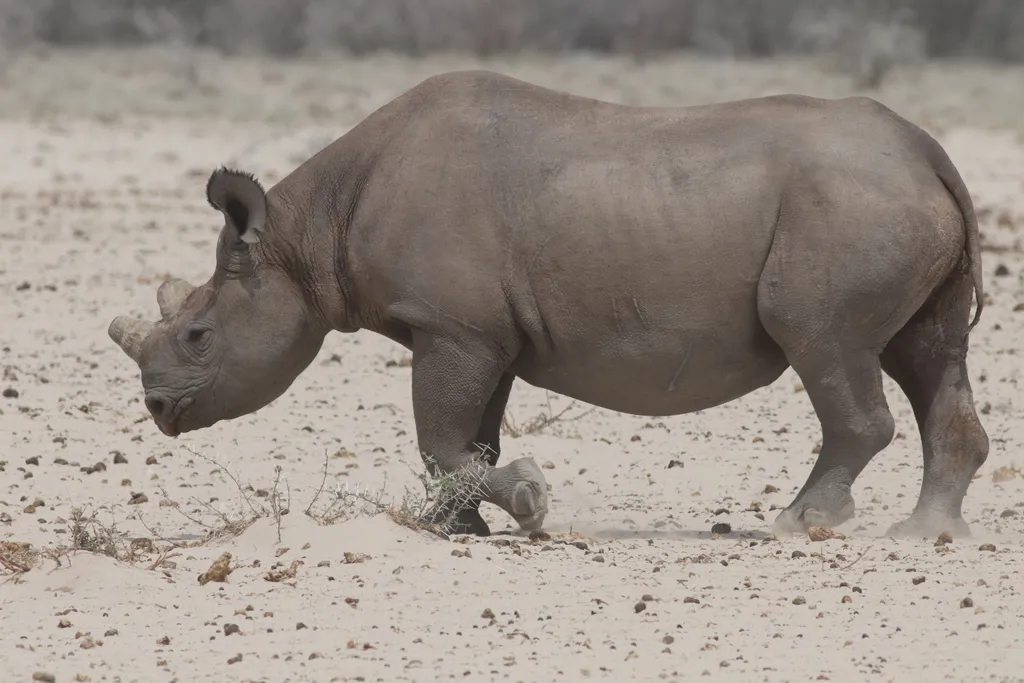
Black Rhinoceros
Diceros bicornis
Precise locations are withheld. Namibia holds a globally significant population.
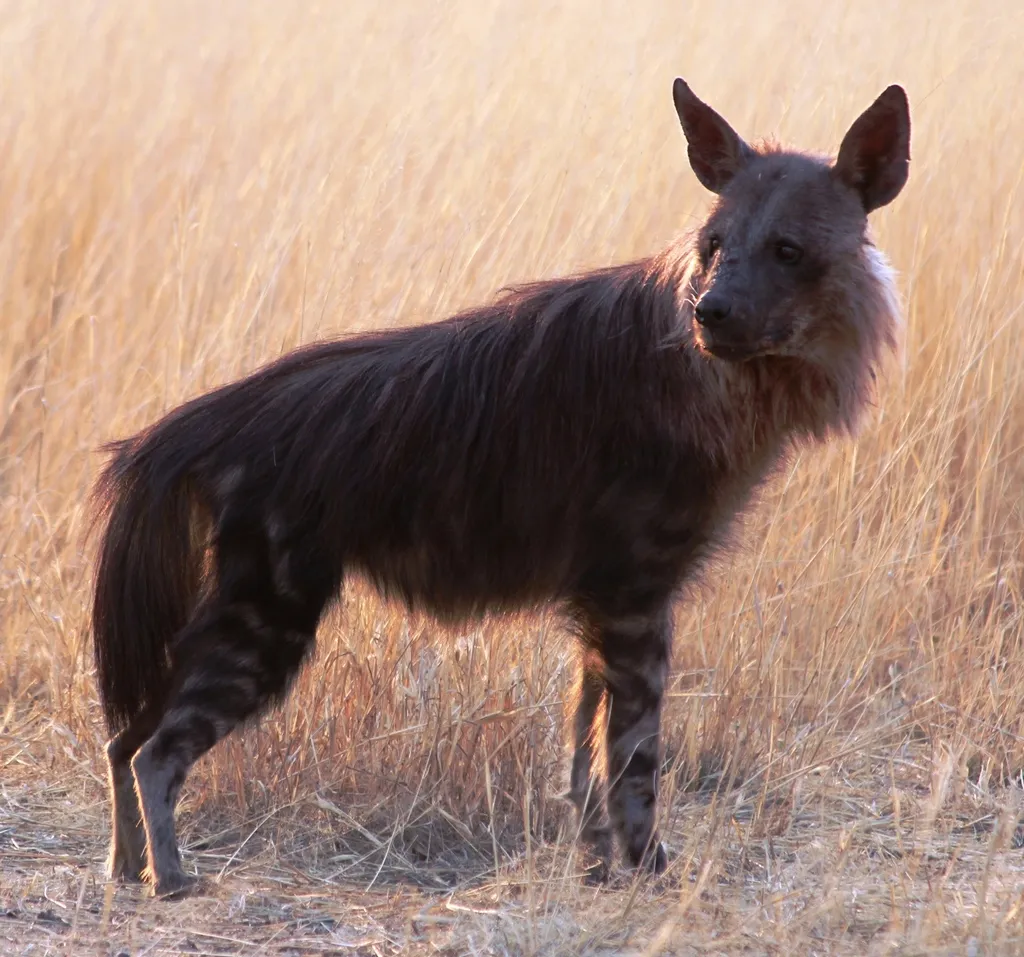
Brown Hyena
Parahyaena brunnea
Shaggy ghost of the Skeleton Coast, scavenging along the tide line.
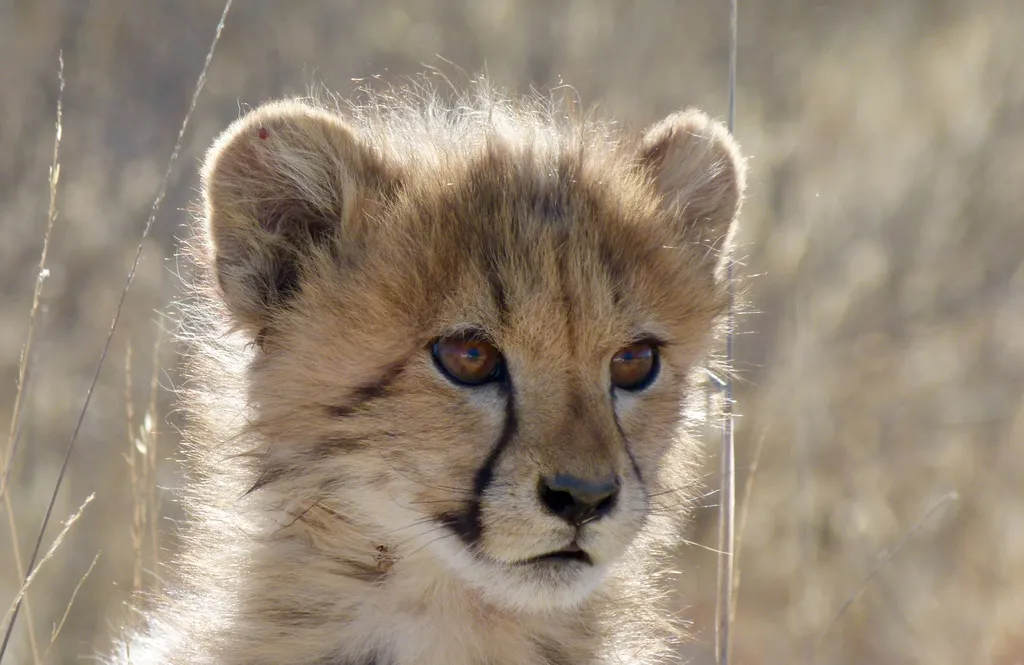
Cheetah
Acinonyx jubatus
Namibia holds the world's largest free-roaming cheetah population.