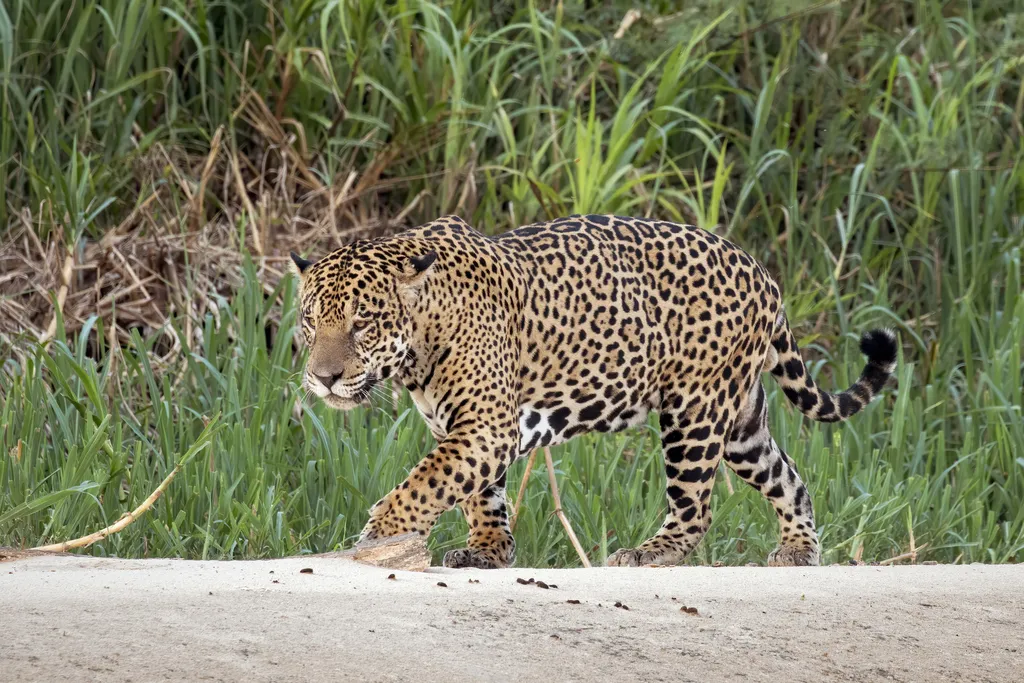
Jaguar
Panthera onca
Tracks along the beach at Corcovado; the animal itself is a gift.
The Americas' great cat carries the strongest bite of any big cat, strong enough to open turtle shells and caiman skulls, which is exactly how it uses it. Jaguars are stockier than leopards, rosettes dotted with central spots, and they treat rivers as roads: few cats swim as readily or as well. Most of the world's jaguars, likely tens of thousands, live in Amazonia; Costa Rica's population is far smaller, threaded through corridors between parks, with Corcovado and the Talamanca ranges as strongholds. Seeing one here is a lottery win, but finding tracks pressed into a beach where a jaguar patrolled for nesting turtles at dawn is a genuine and regular thrill, and somehow almost as good.
Solitary, wide-ranging, comfortable hunting by day or night. Kills by piercing the skull or nape, a technique unique among big cats.
Over 85 recorded prey species: peccaries, deer, sloths, iguanas, fish, caimans, and sea-turtles taken on nesting beaches.
Play the long game: camera traps on permitted trails, or dawn beach walks in turtle season looking for fresh tracks to photograph. In-person sightings are luck; be ready anyway.
Report any jaguar sighting to park staff rather than social media; location leaks are a poaching and disturbance risk. WorldWildMap keeps jaguar records generalised to 25 km.
Generalised encounter areas, not exact locations. Each shape is a grid cell coloured by how likely the species is there.
- PossibleCosta Rica25 km zone · medium confidence · 7 records · updated 1 day ago
- PossibleCosta Rica25 km zone · medium confidence · 12 records · updated 1 day ago
- PossibleCosta Rica25 km zone · medium confidence · 17 records · updated 1 day ago
- PossibleCosta Rica25 km zone · medium confidence · 36 records · updated 1 day ago
- LikelyCosta Rica25 km zone · medium confidence · 35 records · updated 1 day ago
- LikelyCosta Rica25 km zone · medium confidence · 7 records · updated 1 day ago
- LikelyCosta Rica25 km zone · high confidence · 69 records · updated 1 day ago
- LikelyCosta Rica25 km zone · medium confidence · 54 records · updated 1 day ago
- LikelyCosta Rica25 km zone · medium confidence · 12 records · updated 1 day ago
- LikelyCosta Rica25 km zone · medium confidence · 9 records · updated 1 day ago
- LikelyCosta Rica25 km zone · high confidence · 190 records · updated 1 day ago
- Very likelyCosta Rica25 km zone · high confidence · 639 records · updated 1 day ago
- Very likelyCosta Rica25 km zone · high confidence · 437 records · updated 1 day ago
- Very likelyCosta Rica25 km zone · high confidence · 294 records · updated 1 day ago
- Very likelyCosta Rica25 km zone · high confidence · 325 records · updated 1 day ago
- Very likelyCosta Rica25 km zone · high confidence · 239 records · updated 1 day ago
- Very likelyCosta Rica25 km zone · high confidence · 328 records · updated 1 day ago
- Very likelyCosta Rica25 km zone · high confidence · 445 records · updated 1 day ago
- Very likelyCosta Rica25 km zone · high confidence · 605 records · updated 1 day ago
- Very likelyCosta Rica25 km zone · high confidence · 579 records · updated 1 day ago
- Very likelyCosta Rica25 km zone · high confidence · 628 records · updated 1 day ago
- Very likelyCosta Rica25 km zone · high confidence · 596 records · updated 1 day ago
- Very likelyCosta Rica25 km zone · high confidence · 585 records · updated 1 day ago
- Very likelyCosta Rica25 km zone · high confidence · 5700 records · updated 1 day ago
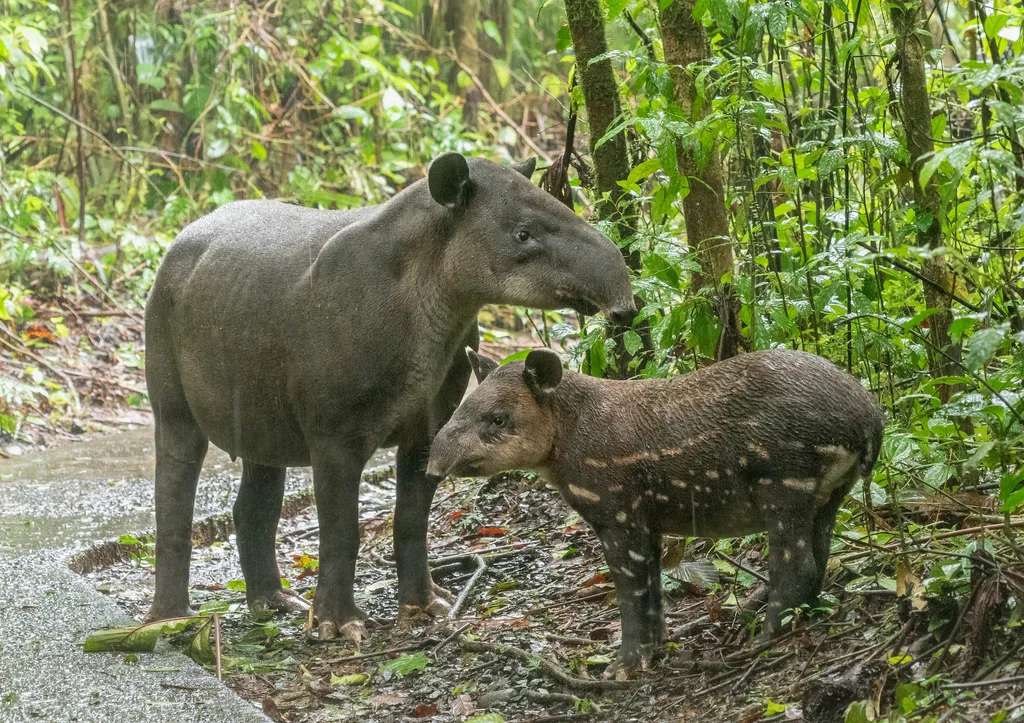
Baird's Tapir
Tapirus bairdii
Ancient forest engineer; patience is the only technique.
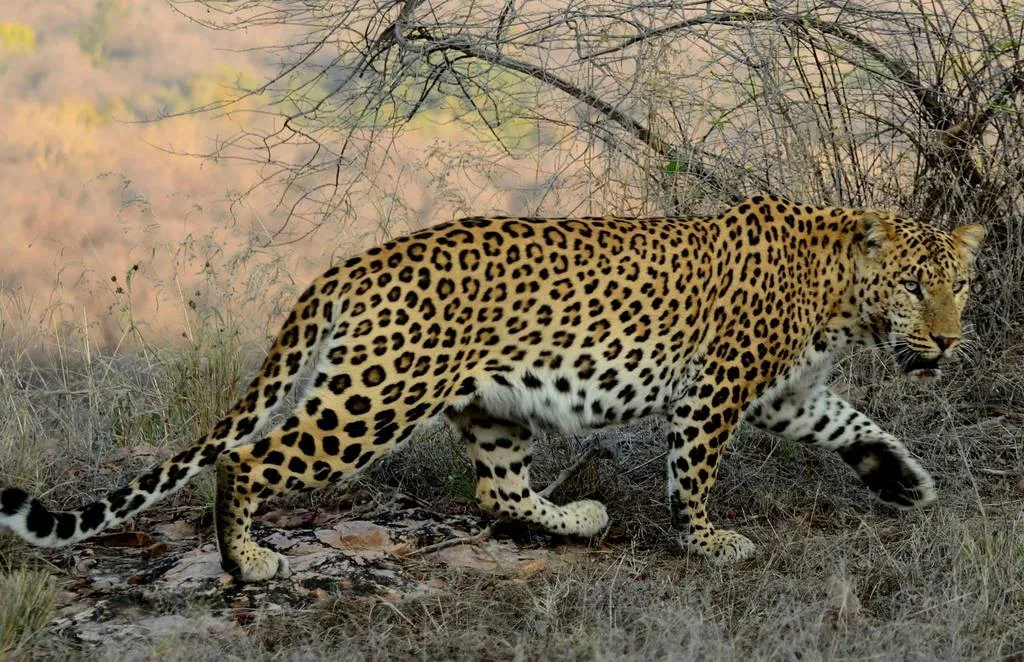
Leopard
Panthera pardus
Cryptic, solitary, and everywhere, if you know where to look.
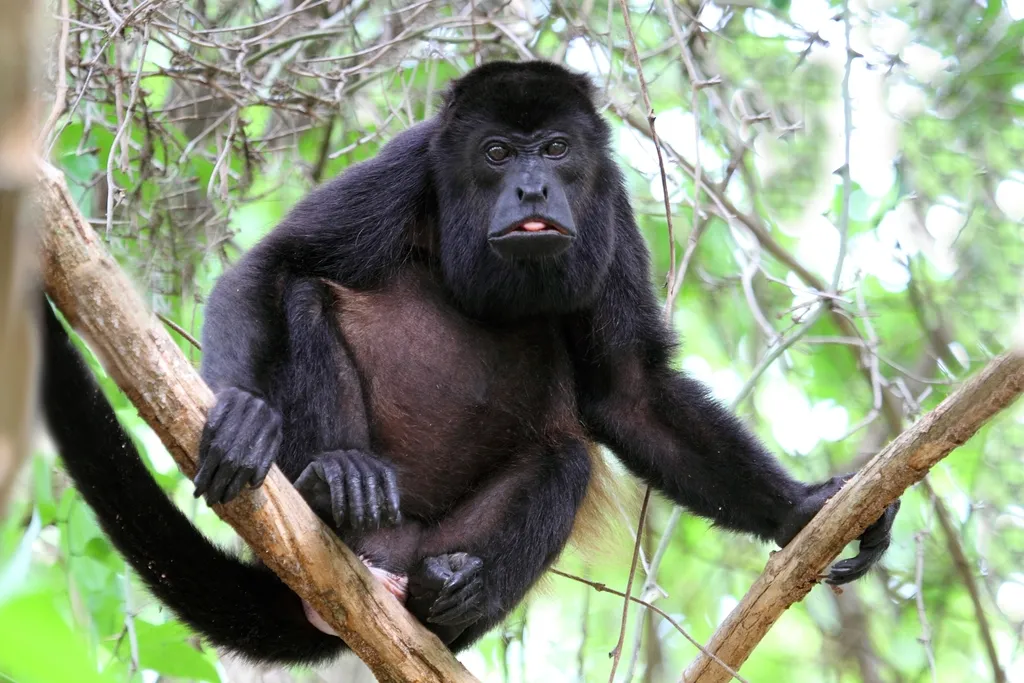
Mantled Howler Monkey
Alouatta palliata
The sound of the neotropics at first light.
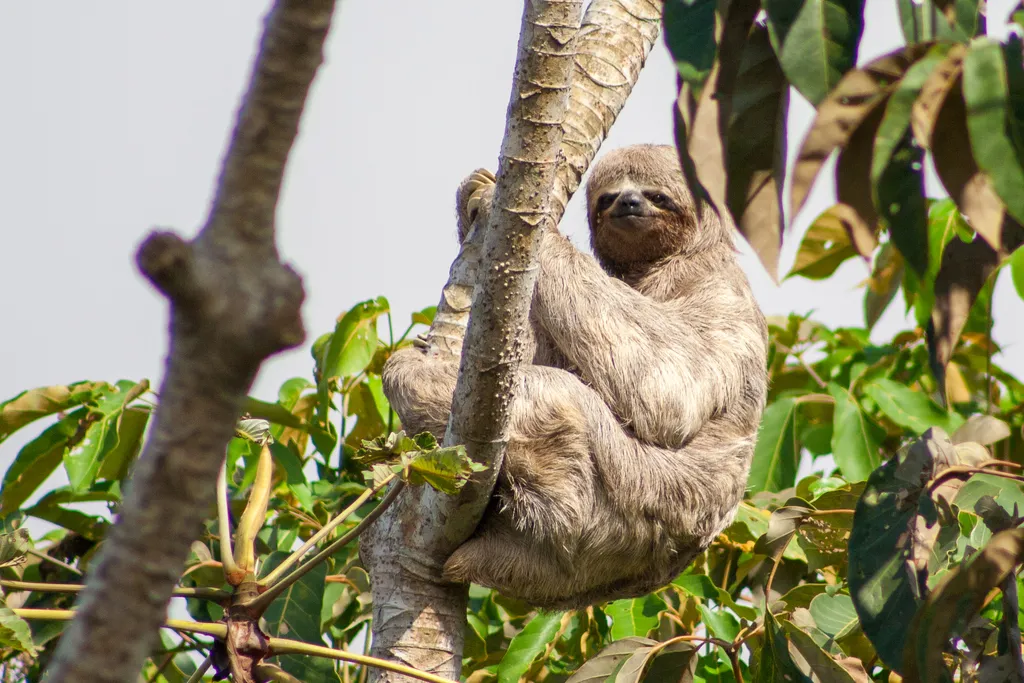
Three-toed Sloth
Bradypus variegatus
Slow-motion cecropia specialists: look up, then look up again.